

How Does Rigid Flex Contribute to Compact Design?
In the world of electronics, design innovation is often driven by the need for smaller, more efficient devices. One key technology that has significantly contributed to compact designs is rigid flex circuit boards. These versatile circuit boards combine the durability of rigid PCBs with the flexibility of flexible circuits, offering unique advantages that allow manufacturers to create smaller, more efficient, and highly functional electronic devices.
The Concept of Rigid Flex
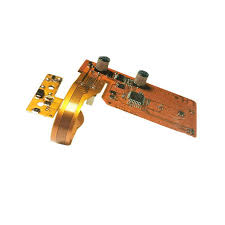
Rigid flex refers to a type of printed circuit board that integrates both rigid and flexible materials into a single unit. The rigid sections provide structural integrity and support, while the flexible sections allow the board to bend or fold. This combination results in a circuit board that can fit into spaces where traditional PCBs might be too bulky or rigid. By incorporating flexible elements into the design, rigid flex enables manufacturers to reduce the overall size of a product without compromising its performance or functionality.
Space Optimization Through Flexible Design
One of the most significant ways rigid flex contributes to compact design is through space optimization. Flexible circuits can be bent, folded, or twisted to fit into tight or irregularly shaped spaces, allowing for more efficient use of available space within a device. This is especially important in industries such as consumer electronics, medical devices, and automotive applications, where size constraints are critical.
For example, in smartphones, wearable devices, and medical implants, the ability to integrate flexible sections into the circuit board enables designers to fit more components into smaller enclosures. The rigid parts of the board provide the necessary support for connectors, components, and circuitry, while the flexible sections allow the design to wrap around curves or fit into compact, difficult-to-reach spaces.
Reducing Wiring Complexity and Connections
Another way rigid flex contributes to compact designs is by reducing the need for traditional wiring and connectors. Flexible circuits eliminate the need for numerous external wires, which can take up valuable space and complicate the assembly process. In rigid flex designs, the flexible portions of the board can interconnect components that might otherwise require multiple wires or connectors. This streamlined design reduces the overall size of the circuit and minimizes the space needed for connecting elements, making it possible to create more compact devices.
The reduced number of connectors also contributes to better reliability. Fewer connections mean fewer points of failure, which is crucial for devices that need to function consistently over time. This makes rigid flex particularly valuable for applications where reliability and durability are paramount, such as aerospace or military electronics.
Enhancing Design Flexibility and Functionality
Rigid flex also allows designers to combine multiple layers of functionality in a single, compact package. With rigid and flexible layers integrated into one circuit, designers can stack or layer various components, creating a more complex circuit without the need for multiple separate boards. This layering technique not only saves space but also enhances the performance and functionality of the device.
For instance, in compact consumer electronics like smartwatches or drones, rigid flex allows for a high-density design that incorporates multiple features, such as power distribution, signal processing, and connectivity, all in one small, flexible unit. This leads to more streamlined products that can perform a variety of functions without the bulk of traditional designs.
Conclusion
Rigid flex technology plays a crucial role in enabling compact design in modern electronics. By combining the best of rigid and flexible circuits, it allows for the optimization of space, reduces wiring complexity, and enhances overall functionality. As consumer demand for smaller, more efficient devices continues to grow, rigid flex will remain an essential tool in the designer’s toolkit, providing innovative solutions to meet the challenges of compact design and advanced electronic systems.


Leave a Reply