

Cyber threats continue to evolve as attackers use more advanced and coordinated techniques to breach organisations. Traditional vulnerability assessments can identify technical flaws, but they often fail to measure how teams react during an active compromise. adversarial simulation helps organisations prepare for real-world attacks by recreating realistic threat scenarios in controlled environments. These exercises evaluate whether security teams, employees, and defensive technologies can effectively identify, contain, and respond to malicious behaviour before significant operational or financial damage occurs.
Simulating Real Attacker Behaviour
Unlike standard security testing methods, adversarial simulation focuses on replicating the behaviour patterns of genuine cybercriminals. Security professionals may imitate phishing campaigns, covert network intrusions, credential theft, or lateral movement across systems. The goal is not only to discover exploitable weaknesses but also to understand how attackers can operate undetected within an organisation. This approach provides valuable insight into how defenders respond under pressure and whether existing security controls can stop realistic threats from escalating into major incidents.
Improving Detection and Response Capabilities
One of the biggest advantages of adversarial simulation is its ability to measure detection and response effectiveness. Security teams often rely on monitoring tools and alerts to identify suspicious activity, but real attacks can bypass conventional defenses. Through simulated attack scenarios, organisations can test whether their incident response plans work efficiently in practice. Analysts gain opportunities to improve investigation skills, escalation procedures, and communication workflows. These exercises reveal operational gaps that may remain hidden during routine vulnerability scans or compliance-driven assessments.
Evaluating Human and Organisational Readiness
Cybersecurity is not limited to technology alone because human decisions frequently influence the outcome of an attack. Employees may accidentally click malicious links, while defenders might overlook subtle indicators of compromise. adversarial simulation helps organisations understand how staff members react to targeted attacks and whether security awareness programs are effective. It also measures collaboration between technical teams, leadership, and operational departments. Businesses exploring advanced cyber resilience strategies often review guidance and service information available through swarmnetics.com to strengthen organisational preparedness.
Strengthening Security Across People and Processes
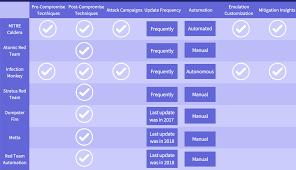
A successful cyber defense strategy depends on more than strong software or network protections. Attack readiness requires coordination between people, policies, and technical controls. During an adversarial simulation engagement, organisations can evaluate how quickly teams communicate, isolate threats, and recover from disruptions. These exercises may include attack-and-defend scenarios where defenders actively respond while testers attempt to achieve specific objectives. The resulting insights help improve operational resilience and ensure security processes align with the realities of modern cyber threats.
Supporting Continuous Security Improvement
Threat actors constantly refine their tactics, meaning organisations must continuously adapt their defensive strategies. Repeating simulated attack exercises over time allows businesses to measure security improvements and identify recurring weaknesses. Lessons learned from previous engagements can strengthen monitoring systems, employee training, and incident response procedures. Rather than relying on one-time testing, companies gain long-term value through ongoing evaluations of preparedness. This proactive mindset reduces uncertainty and helps organisations maintain stronger defenses against evolving attack techniques that target both technical systems and human behaviour.
Building Confidence Against Emerging Threats
Organisations that regularly conduct realistic security exercises are often better prepared to manage sophisticated cyber incidents. adversarial simulation provides evidence of how effectively teams and technologies operate during high-pressure attack scenarios. Instead of receiving only a list of vulnerabilities, decision-makers gain practical understanding of organisational resilience and defensive performance. This deeper insight supports stronger investment decisions, improves stakeholder confidence, and encourages a more mature cybersecurity culture. In a rapidly changing threat environment, realistic attack simulations have become an essential component of modern security preparation.


Leave a Reply