

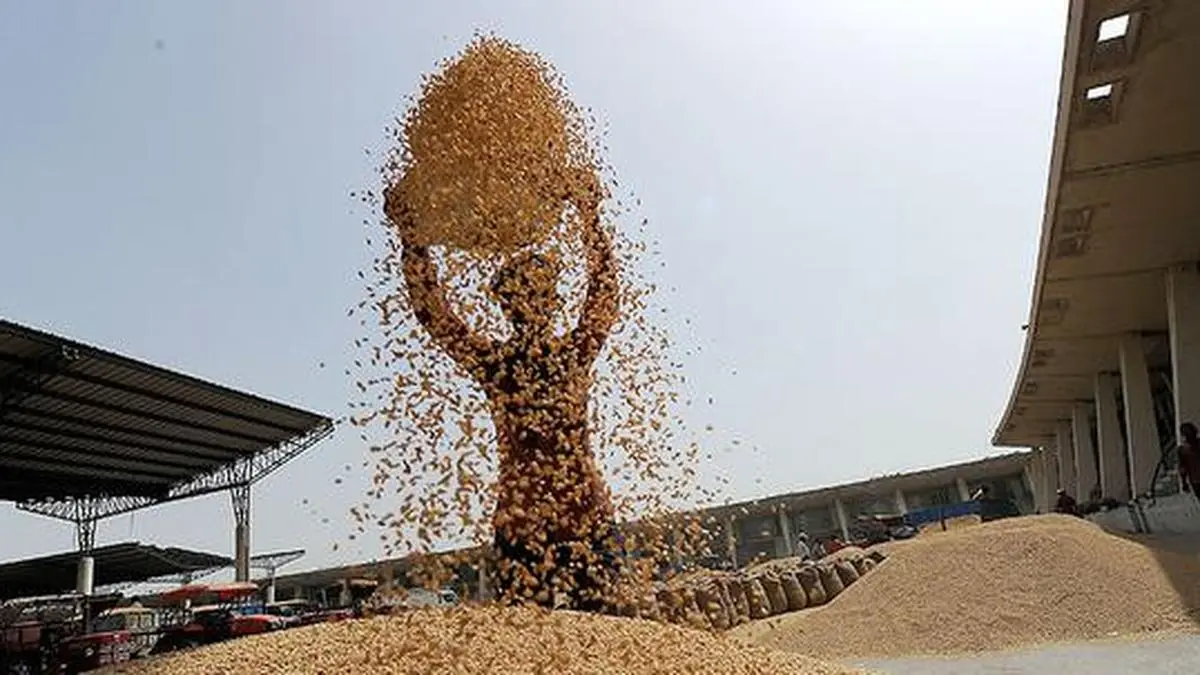
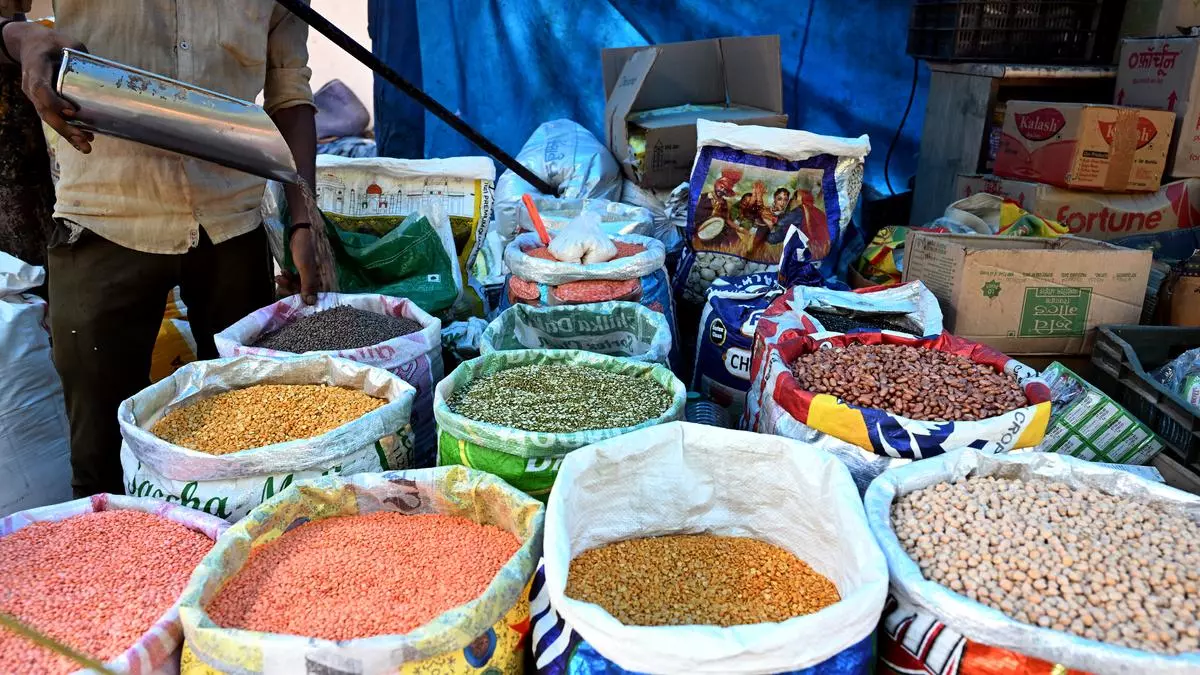
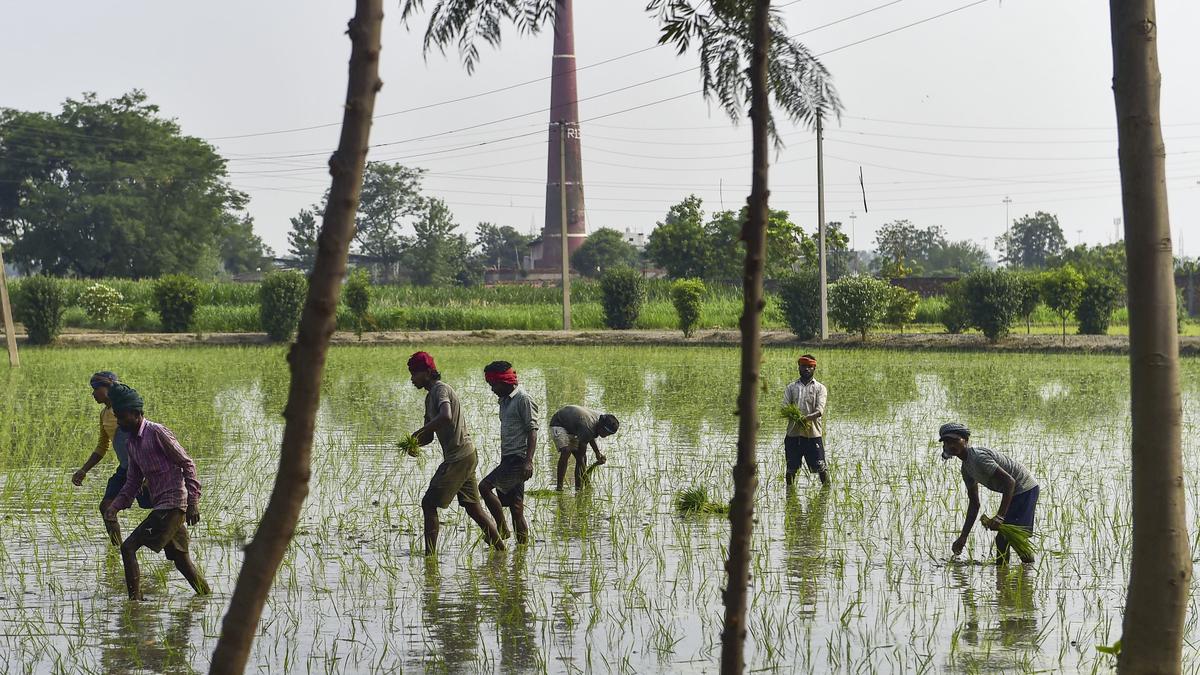
The average mandi (agriculture market yard) prices of main five rabi crops — wheat, chana (gram), mustard, masur (lentil) and barley during harvesting season (April-June) was between 5 per cent below MSP and 8 per cent above the benchmark rates. However, it has been observed that except in case of chana, all the other four crops witnessed an increase in the range of ₹56-401/quintal between April and June. Chana dropped by ₹26 per quintal.
According to mandi price data maintained by Agmarknet portal, average all-India farm-gate wheat was ₹2,465/quintal during April-June, up by 1.6 per cent from the minimum support price (MSP) of ₹2,425/quintal. Barley rate in mandis was on an average ₹2,133/quintal — up 7.7 per cent from the MSP of ₹1,980.
But, mandi prices of both chana and mustard ruled 1 per cent below their respective MSP in the three months to June. While chana, the major rabi-grown pulse, farmers received average ₹5,596/quintal against MSP of ₹5,650, mustard growers sold at an average of ₹5,899 against the MSP of ₹5,950/quintal.
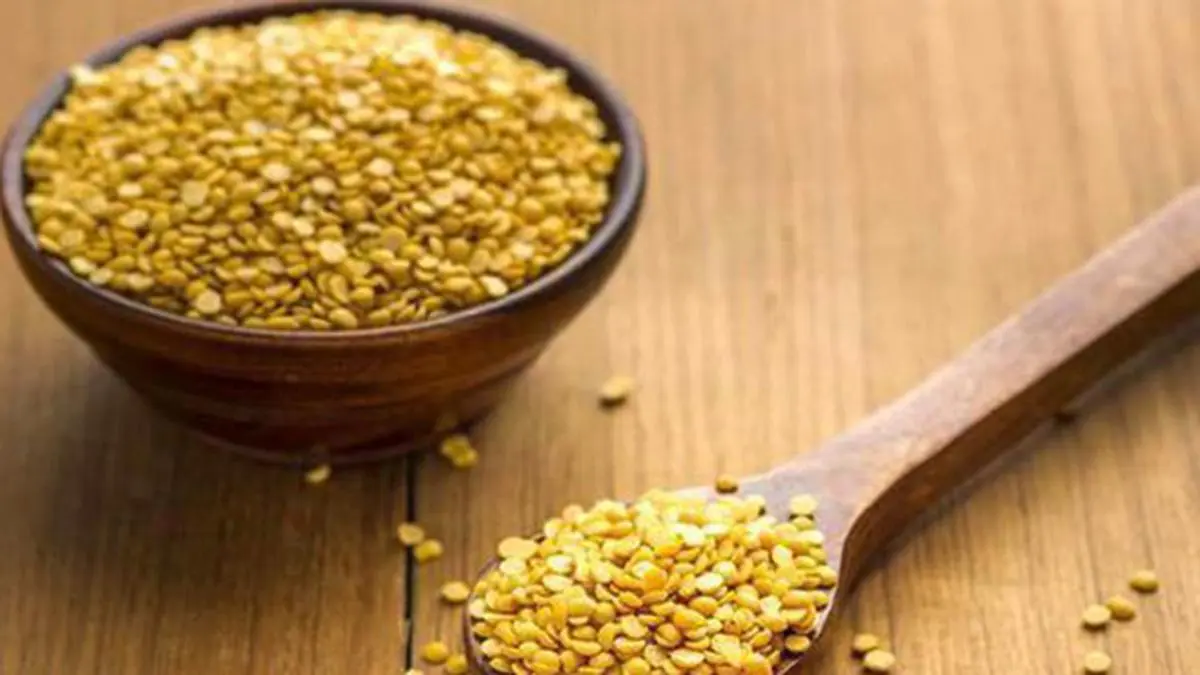
The maximum decline in prices was noticed in masur which was down by 4.7 per cent at ₹6,384 against the MSP of ₹6,700/quintal.
Production estimates
The government has raised 2024-25 crop year’s wheat production to a record 117.51 million tonnes (mt), which is 3.7 per cent higher from 113.29 mt in 2023-24, and also more than what was estimated in March. The production of rapeseed/mustard has been pegged lower at 12.61 mt against 13.26 mt in 2023-24 and that of chana at 11.34 mt against previous year’s 11.04 mt.
Production of masur is estimated to be a tad lower at 1.77 mt against 1.79 mt and that of barley higher at 1.84 mt from 1.7 mt.
“It is good that most of the rabi crops are around MSP, some are even higher. But one of the reasons is the rabi crops MSP was hiked by 4-7 per cent whereas all other food prices are much higher for the consumers. It seems rabi crop prices in mandis also in sync with rates hike in other commodities, both agri and non-agri, otherwise 2-3 years back whenever there was fall it used to be more than 10 per cent,” said SN Dash, a retired professor of economics.
Farmers awareness
But farmer leader Rampal Jat of Kisan Mahapanchayat, claimed increased awareness among farmers as well as influence of imported edible oil prices are major factors for mustard oil prices to move up above MSP to over ₹6,000/quintal in June. “We had called farmers not to sell mustard below ₹6,000/quintal and for 15 days in March the arrival in a major mandi in Tonk was negligible. It also spread among other farmers in from April prices started moving up,” Jat said.
Agmarknet portal data show that mustard prices in mandis were on an average ₹5,575/quintal in March, ₹5,813 in April, ₹5,984 in May and ₹6,214 in June.
Experts said that the government needs to make further reforms in the warehousing rules so that farmers take the benefit of getting higher rates. Currently, mostly traders are taking the benefit of securing credit against commodities under pledge financing, which banks extend at 60-70 per cent of the existing market value of the crop.
“As in the case of wheat, the average increase was ₹56/quintal between April and June, if a farmer pays a warehousing charge of ₹27/quintal for three months, besides bearing the cost of transport from his place to warehouse and then to local mandi, the hike is neither encouraging nor motivating to use that platform,” an expert said suggesting price-risk insurance should be considered and the premium should be completely subsidised by the government.
Published on July 11, 2025















































































































































Leave a Reply