

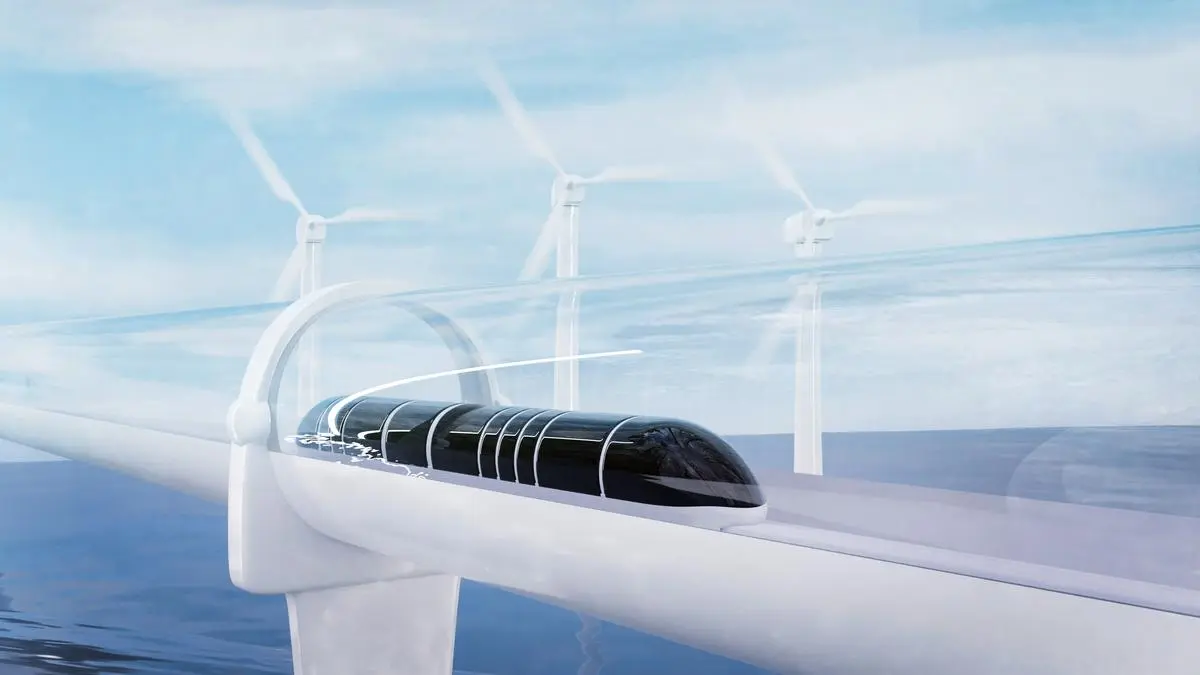
While DPA plans to spend ₹85 crore for a magrail demonstration, JNPA has tied up with Chennai-based start-up TuTr Hyperloop for a 20-km-long project
| Photo Credit:
iStockphoto
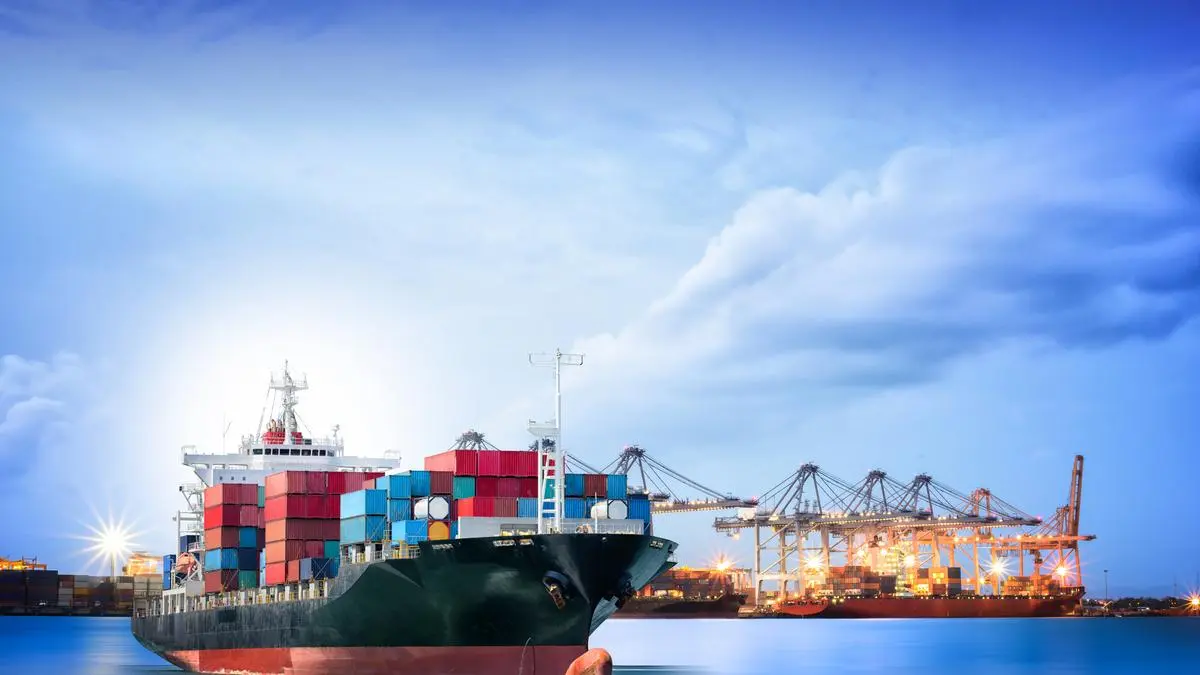
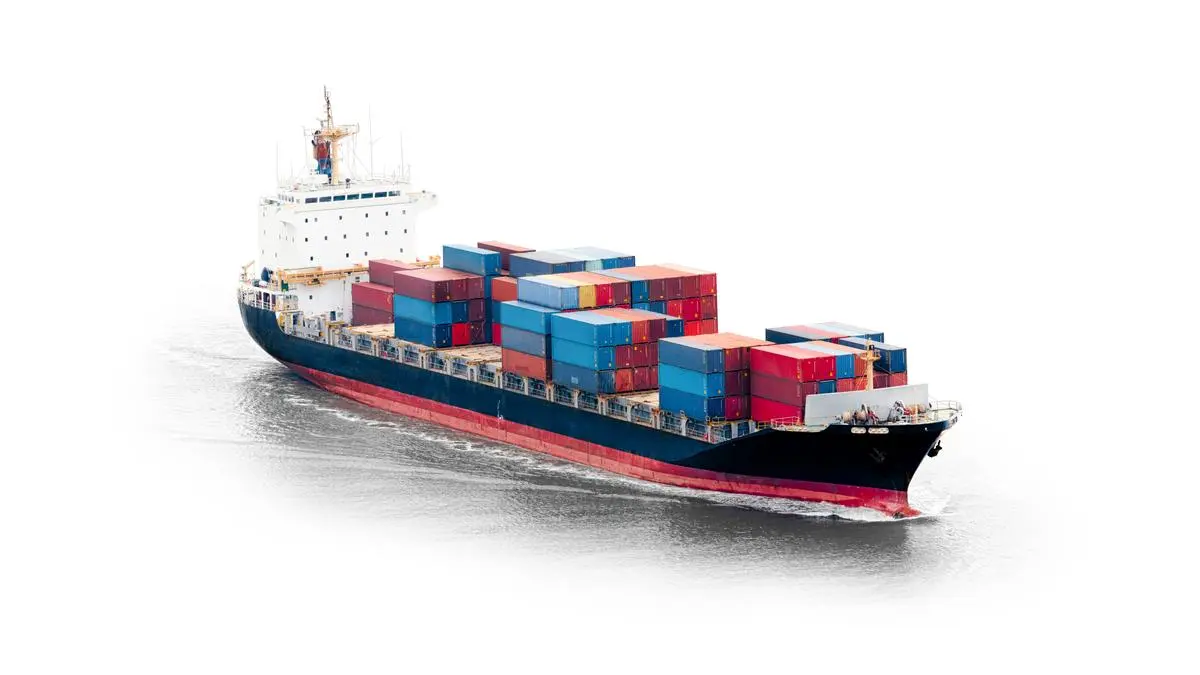
India’s major ports are taking cargo movement to the next level with plans of high-speed transportation for faster landings at ports, before being moved to the hinterland. This is to cut carbon emissions and reduce time.
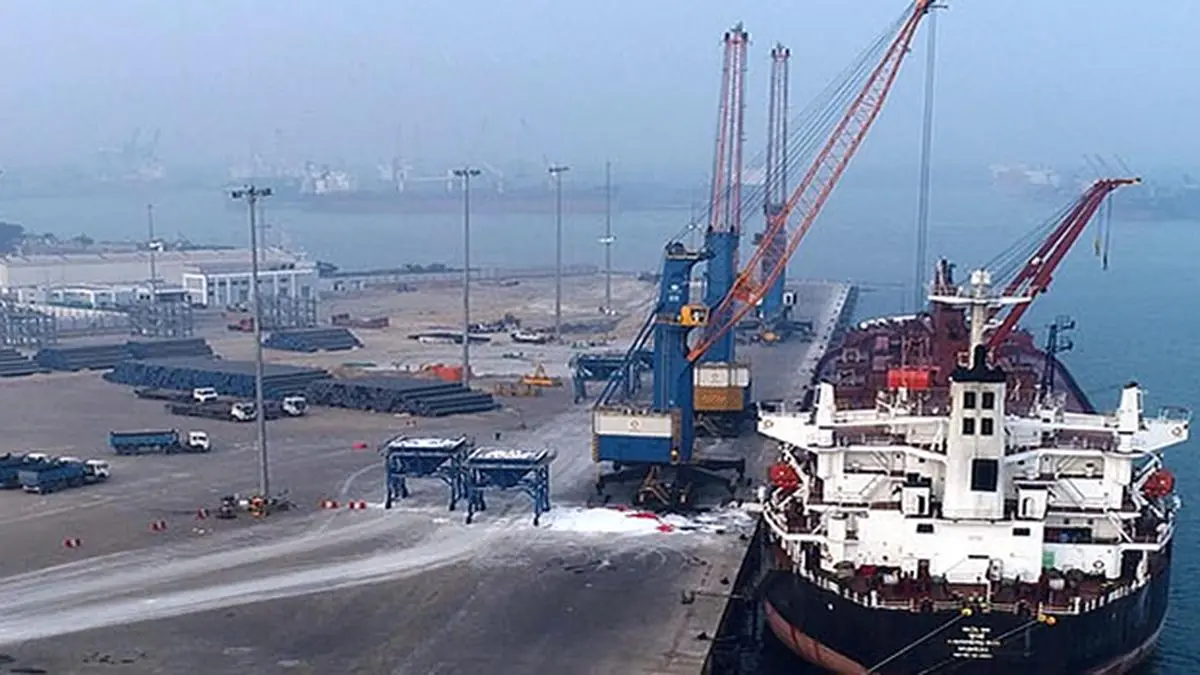
The Deendayal Port Authority (DPA) in Kandla, Gujarat, is working towards building an 18-km-long magnetic rail system that will cut down on time taken to move freight within the port. About 800 km away, the Jawaharlal Nehru Port Authority (JNPA) in Maharashtra is looking to build a linear induction motor-based hyperloop system that will connect the upcoming Vadhvan Port to the Western Dedicated Freight Corridor (WDFC).
While DPA is expected to spend around ₹85 crore on a demonstration project involving the magnetic rail system in partnership with DP World and Poland-based Nevomo, the JNPA has tied up with Chennai-based start-up TuTr Hyperloop Pvt. Ltd. for laying a 20-km-long project for the under-construction Vadhvan Port in Palghar district of Maharashtra.
Bridging time gap
Magnetic rail or magrail and hyperloop are both advanced, high-speed transportation technologies that use magnetic levitation. Magnetic rail systems are operational in some parts of the world, while hyperloop – popularised by entrepreneur Elon Musk a decade ago – are largely experimental and futuristic systems using pods or capsules to travel in vacuum environments at high speeds.
The Deendayal Port had first opted to test the hyperloop technology and had sanctioned a technology demonstration project. However, the same was “put on hold” and the port body opted for a magnetic rail system.
“We have signed an MoU with DP World and Nevomo where we will build a magnetic rail or Magrail system that will aid self-propelled movement of cargo and freight within the existing port ecosystem and showcase how Magrail technology can automate short haul cargo transfers, reduce reliance on diesel vehicles and improve efficiency. We opted for this technology as it will retrofit and use existing railway wagons for movement of cargo at the Kandla Port without any engine or locomotive,” Sushil Kumar Singh, chairman of DPA at Kandla told businessline. The project will use Nevomo’s MagRail proprietary technology.
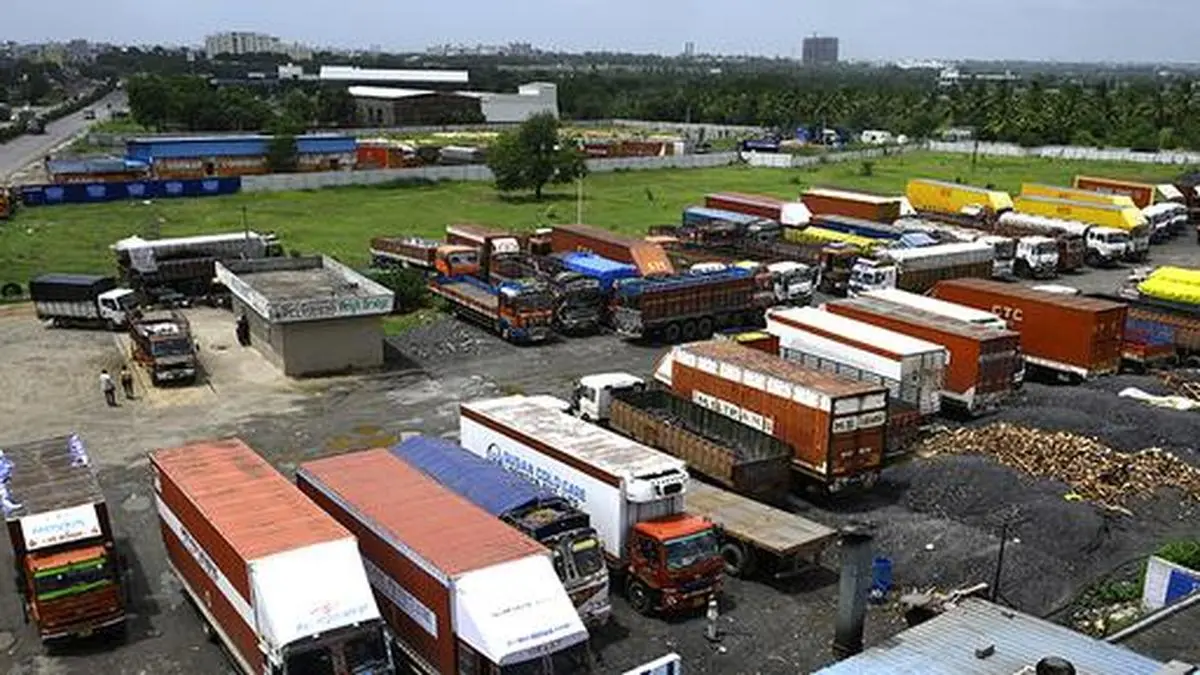
The purpose of this technology is to eliminate the entry of trucks into the port area. “There are 8,000-12,000 trucks that move in and out of the port. We want to eliminate some of the road traffic from the port as it is causing a lot of congestion and leading to higher emission in the port area. This is impacting the turnaround time of the trucks. So, we are building a system that will transfer cargo from the port to the storage yard from where the trucks can load it for onward journeys,” Singh added.
DPA had first opted for a linear induction motor-based propulsion system. “The project was the first step of hyperloop. It was only a small technology demonstrator project which we had sanctioned. However, we have kept the project on hold because it does not look like a mature technology. The magnetic rail seems to be a better technology as it will fit into the existing rolling stock of the Indian railways,” the DPA official added. These autonomous, electric-powered wagons using linear motor technology on ‘existil’ rail tracks, will enhance capacity, efficiency and speed for containerised and bulk cargo, while reducing costs and carbon emissions.
Hyperloop at Vadhvan port
Meanwhile, another major port JNPA is exploring the feasibility of constructing a 20-km-long freight movement system using hyperloop technology at its under construction greenfield port at Vadhvan in Palghar district in neighbouring Maharashtra. “We are seriously exploring this technology for Vadhvan because there will be cargo movement between the port and Vangaon station, where we can connect with the Dedicated Freight Corridor (DFC).
“Hyperloop has many safety requirements for human movement, but this is easily possible for cargo movements, especially for containers,” Unmesh Wagh, Chairperson of JNPA told businessline.
JNPA has signed a MoU with TuTr Hyperloop Pvt Ltd, a deep tech start-up incubated at IIT-Madras, for building a Linear Induction Motor-based hyperloop system. Though JNPA is yet to work out the financial feasibility of the project, a demonstration project of a smaller scale could be set up at JNPA before a larger project is explored.
“It is good to have a futuristic plan ready. Apart from road and rail, such a project could help in faster evacuation of cargo at the ports,” Wagh added. Despite the test tracks built in the US, Europe and West Asian countries, hyperloop largely remains an experimental technology.
Published on September 8, 2025































































































































Leave a Reply