

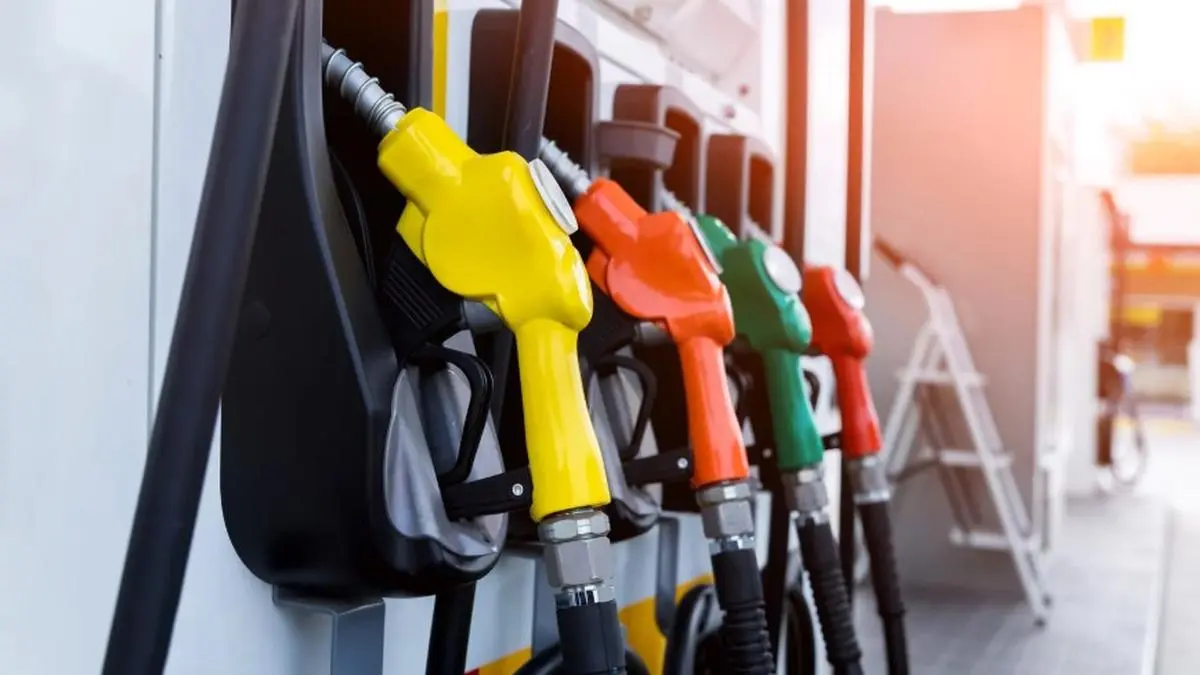
On a day that Ministry of Petroleum and Natural Gas (MoPNG) clarified that the “marginal” decrease in vehicle mileage by ethanol-blending can be minimised through engine tuning, industry experts said petrol blended with 20 per cent ethanol (E20 fuel) is decidedly corrosive and a staggering of two and four-wheelers would require retrofitments for minimising the damage to these vehicles.
In the wake of a campaign on the social media about the negative impact of ethanol-blended petrol on vehicles, the Ministry asserted on Thursday that ethanol, being lower in energy density than petrol, results in a marginal decrease in mileage, estimated at 1–2 per cent for four-wheelers designed for E10 and calibrated for E20, and around 3–6 per cent in others.
“This marginal drop in efficiency can be further minimised through improved engine tuning and use of E20-compatible materials, which leading automobile manufacturers have already adopted,” the Oil Ministry said on X. It added that material corrosion in older vehicles can be checked by replacing of some rubber parts/ gaskets which is inexpensive and easily done.
An automobile industry leader, however, pointed out that old vehicles are at a risk of facing serious complications with components and damage if they are not modified by the manufacturers. “There could be problems with the engines of the vehicles also,” he said.
Experts pointed out that ethanol is “corrosive” for vehicles.
“E20 fuel (20 per cent ethanol, 80 per cent petrol) can cause serious issues in vehicles not designed for it. Ethanol absorbs moisture, leading to phase separation and corrosion in metal components like the fuel tank, pipes, injectors, engine, and exhaust. It also degrades rubber and plastic parts such as seals, gaskets, and fuel hoses, which aren’t ethanol-resistant. Additionally, ethanol alters the air-fuel ratio, and if the ECU or PGM-FI system isn’t calibrated for E20, it can result in poor combustion, knocking, reduced performance, and hard cold starts,” said Anurag Singh, Advisor, Primus Partners.
Leading two-wheeler manufacturer Hero MotoCorp said on its website that vehicles, manufactured before April 2023, may require modifications in the Engine-Fuel system for it to be tuned to run efficiently on E20 fuel.
“Certain rubber, elastomers and plastic components (like gasket, O-rings, Fuel Tube, etc.) may need to be replaced for prolonged usage with new parts made with E20 compatible material,” it added.
TVS Motor too mentioned on its website that ethanol is corrosive to several materials. “Compared to gasoline, ethanol has different chemical characteristics, and it is corrosive to several materials that are frequently used in fuel systems. Component deterioration or damage could result from compatibility problems.
Industry experts said that higher ethanol mix above E20 in the future would cause more problems.
“There are isolated incidences of choking of fuel injectors of E20 fuel, which are still bearable. But, if you go higher ethanol mix (like E30 or E40), then issues may come up in the future. Then we may have to go for two kinds of fuel options at pumps (E20 and the higher version),” C S Vigneshwar, President, Federation of Automobile Dealers Associations (FADA), told businessline.
Published on August 4, 2025



































































































































































Leave a Reply