

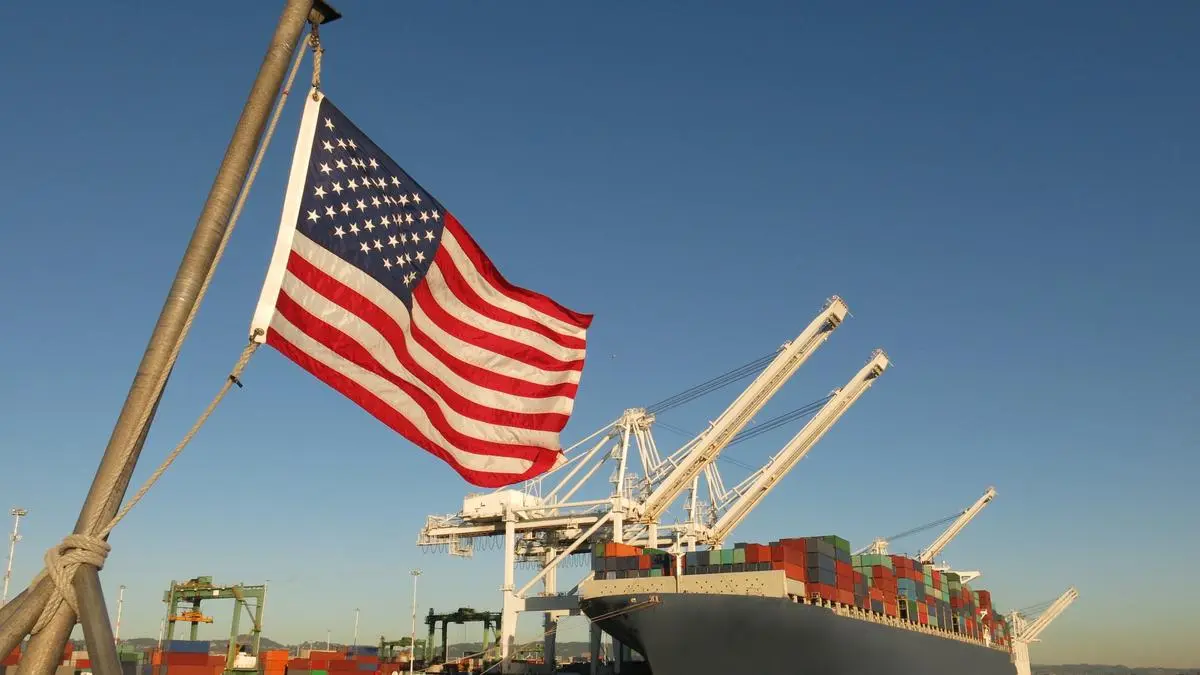
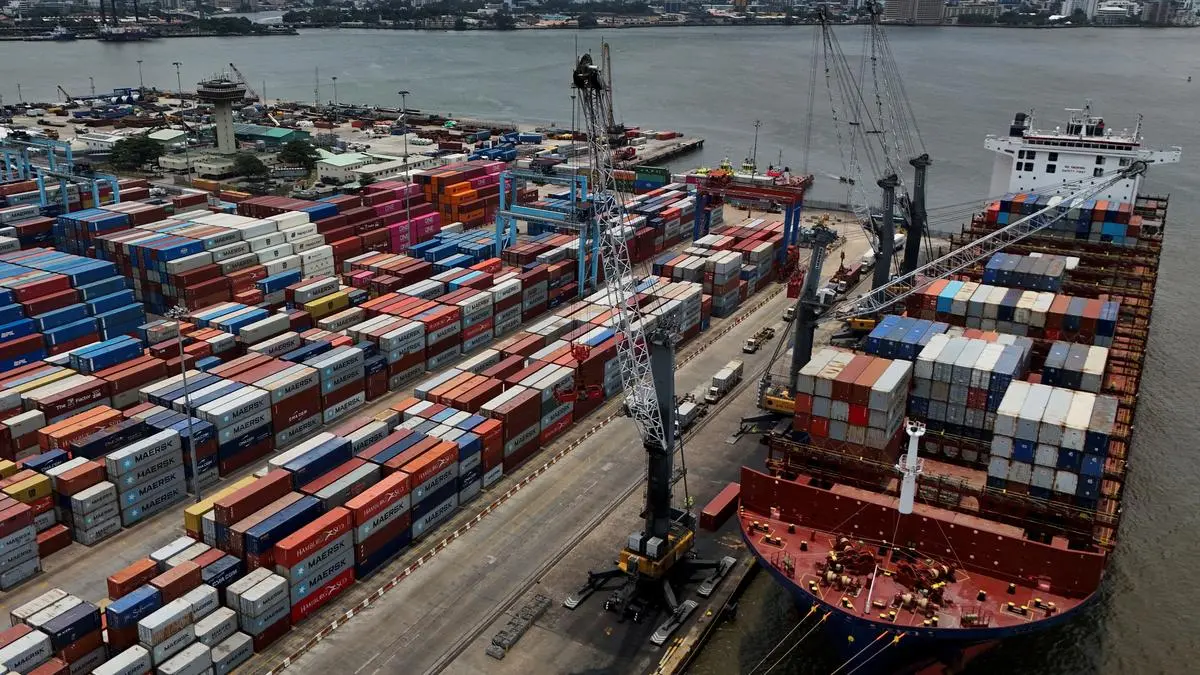
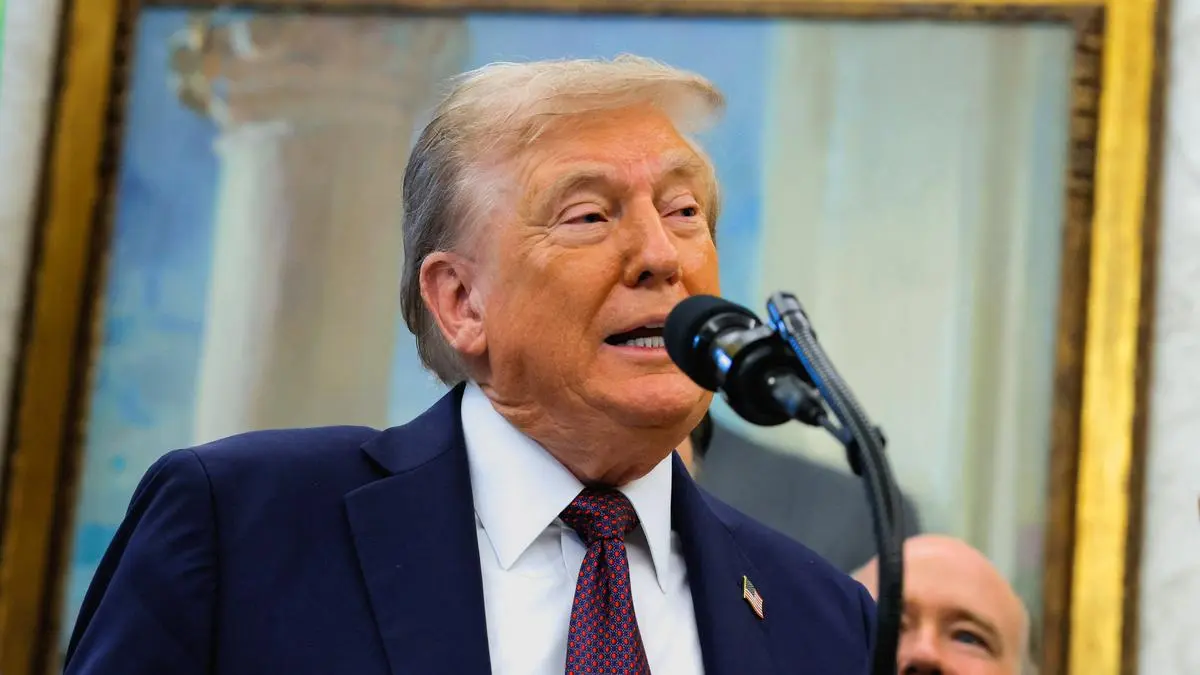
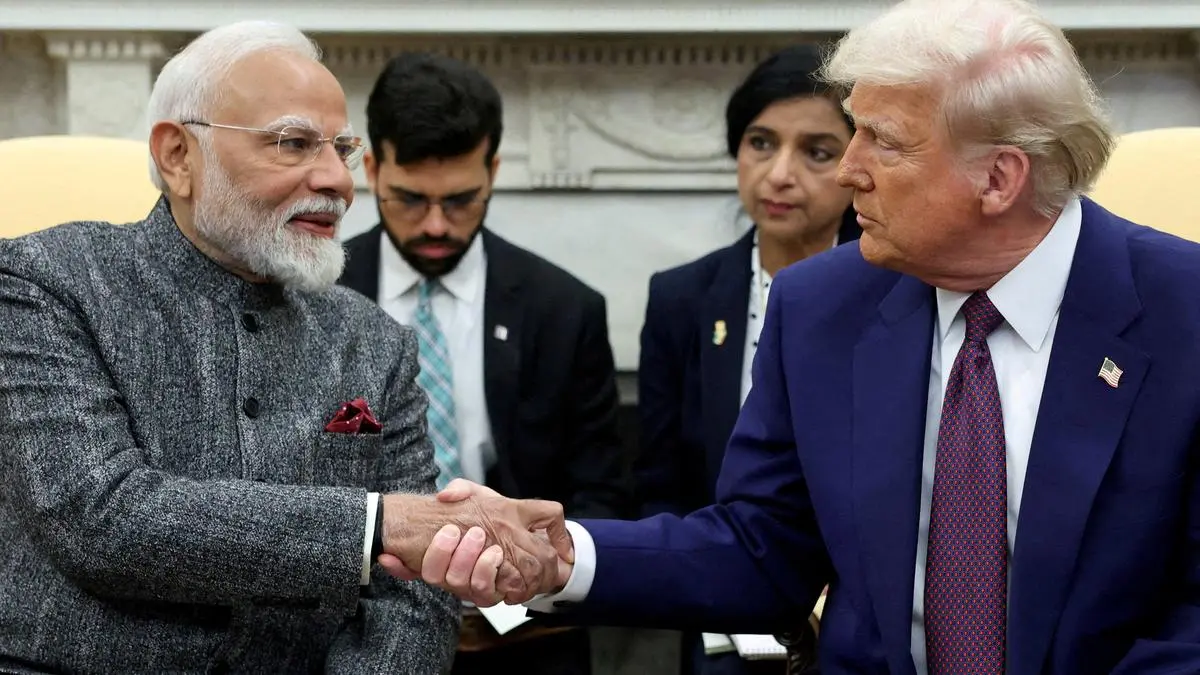
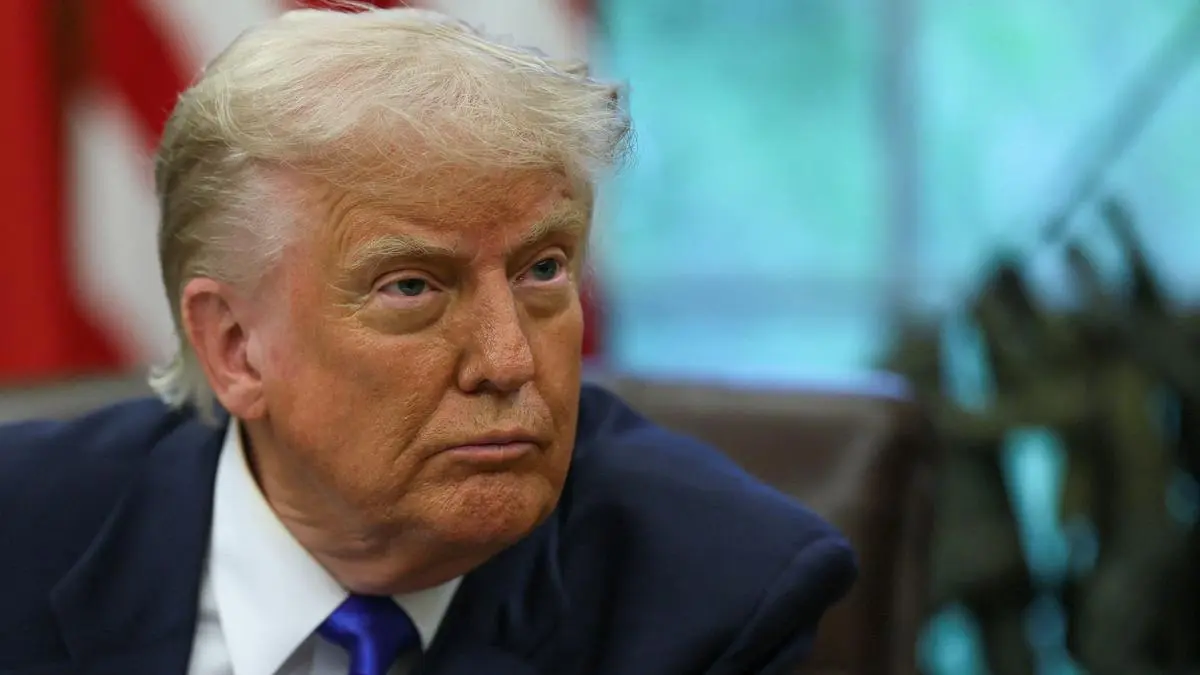
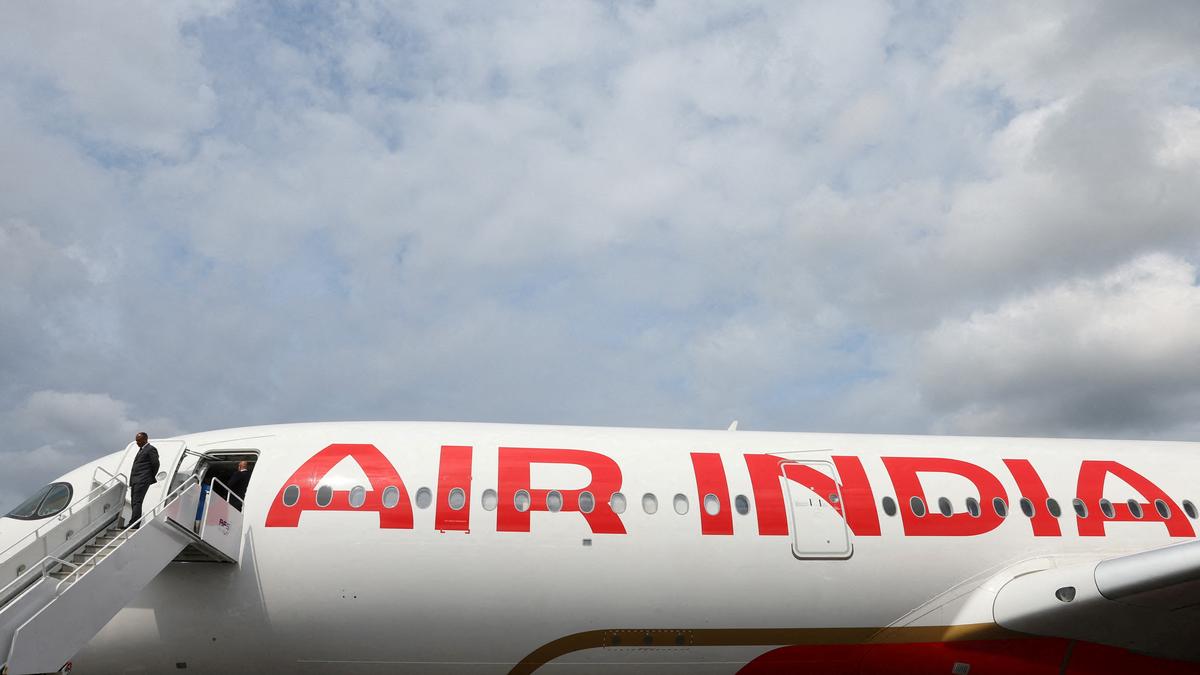
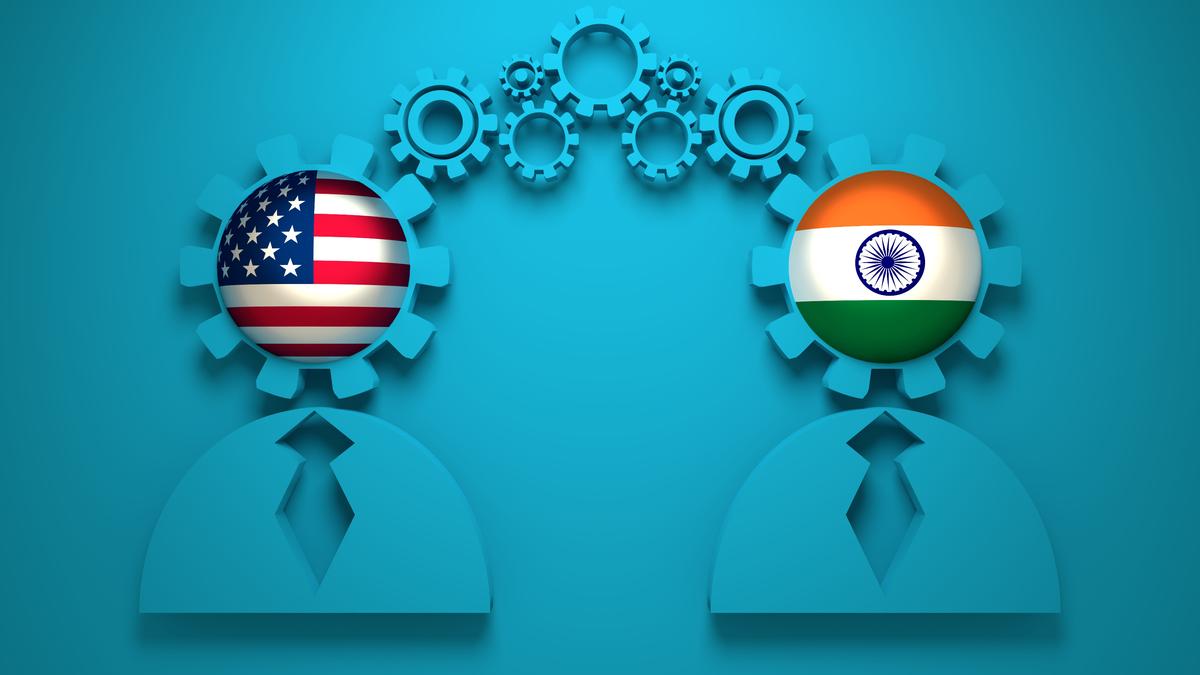
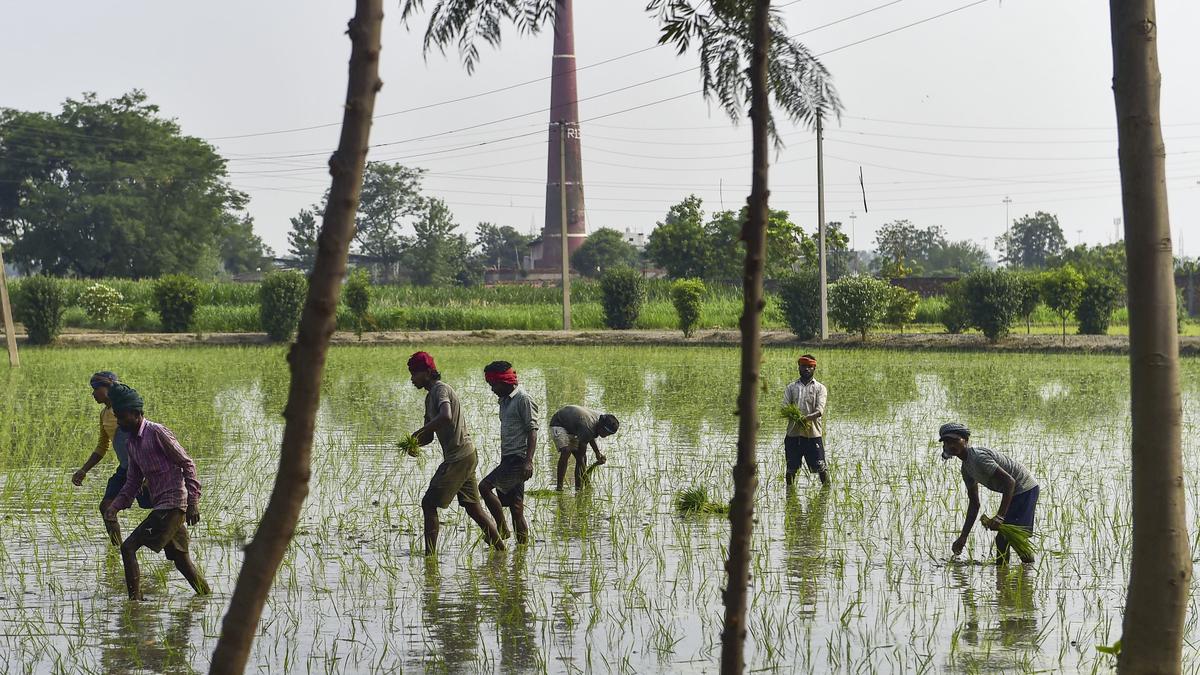
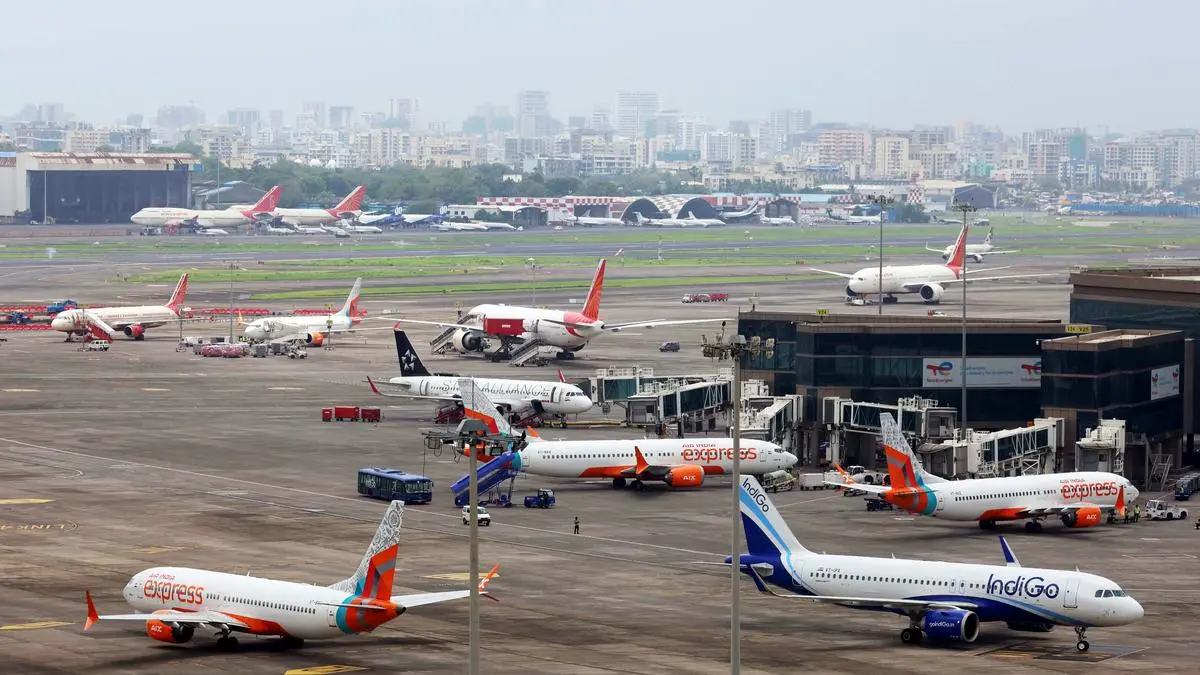
As most countries, including India, could not reach an interim deal with the US by July 9, Trump decided to push back the tariff deadline to August 1.
| Photo Credit:
AmyLaughinghouse
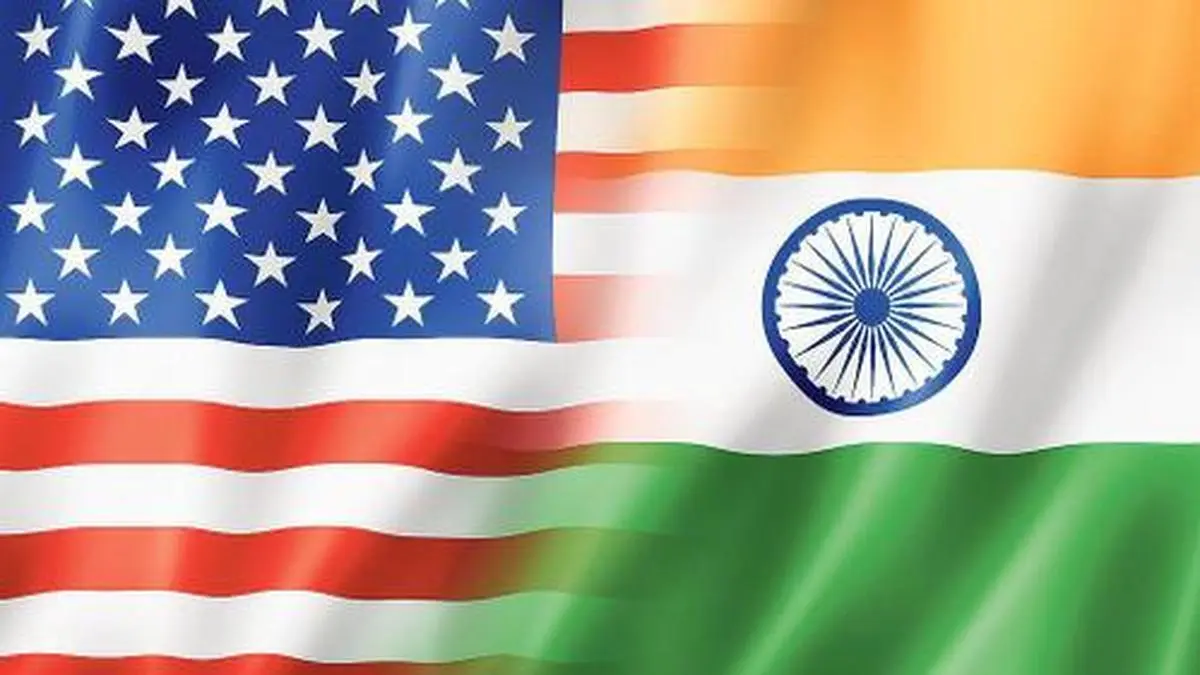
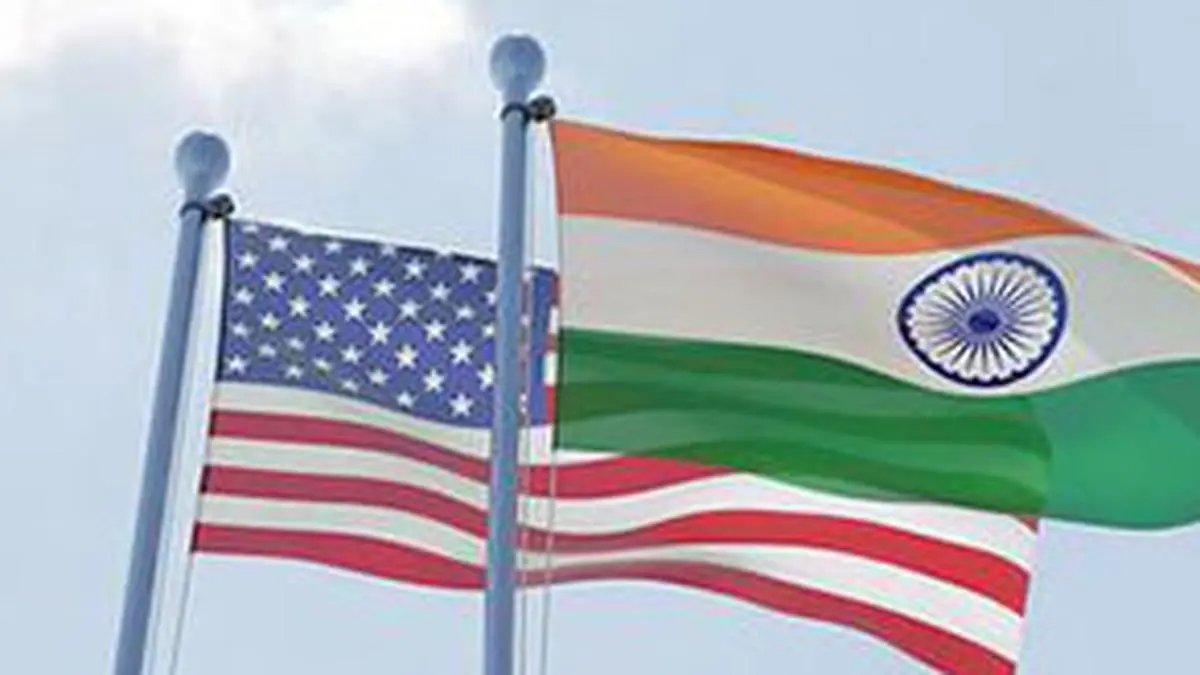
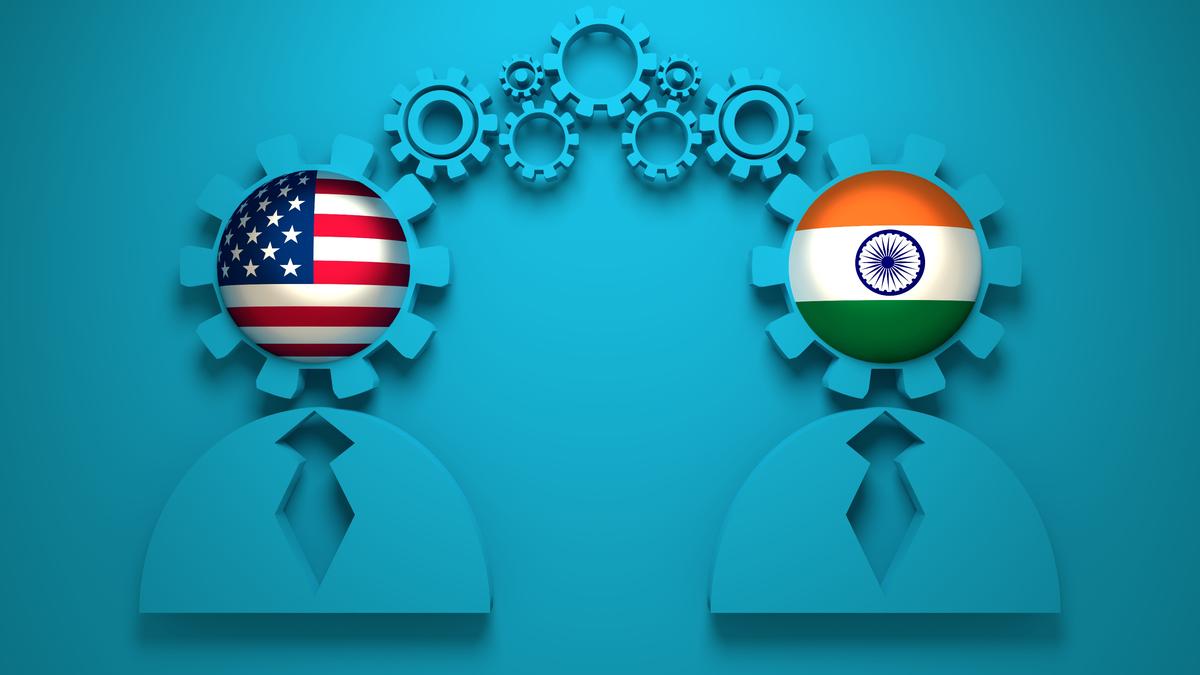
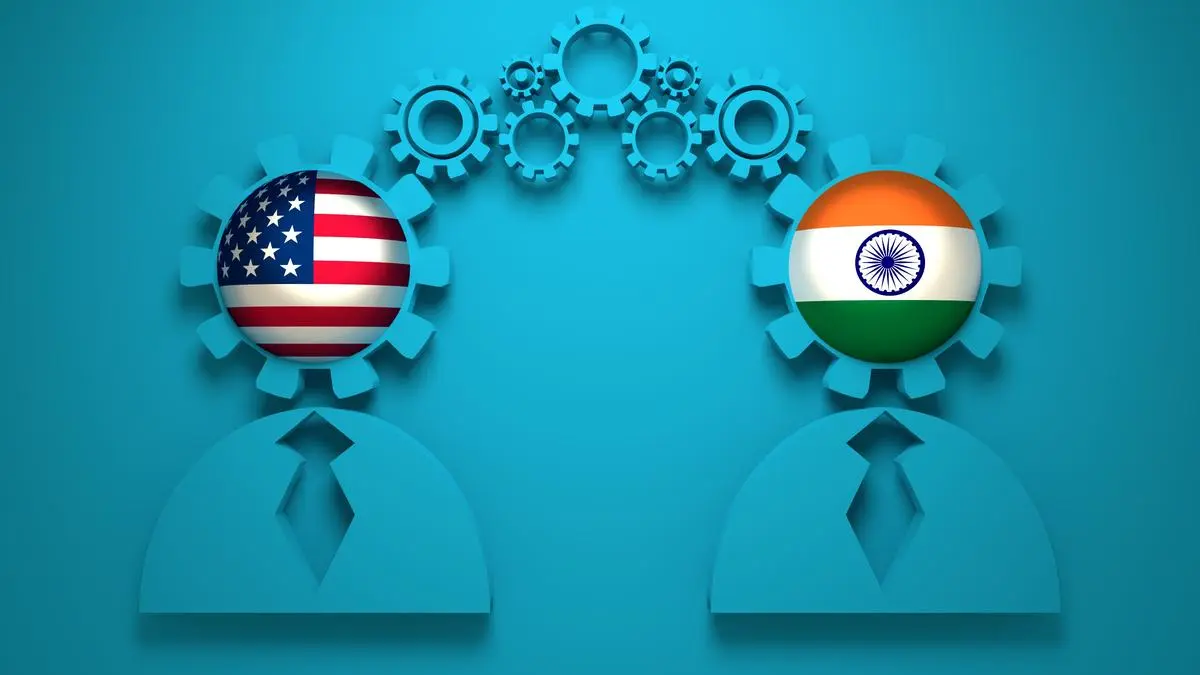
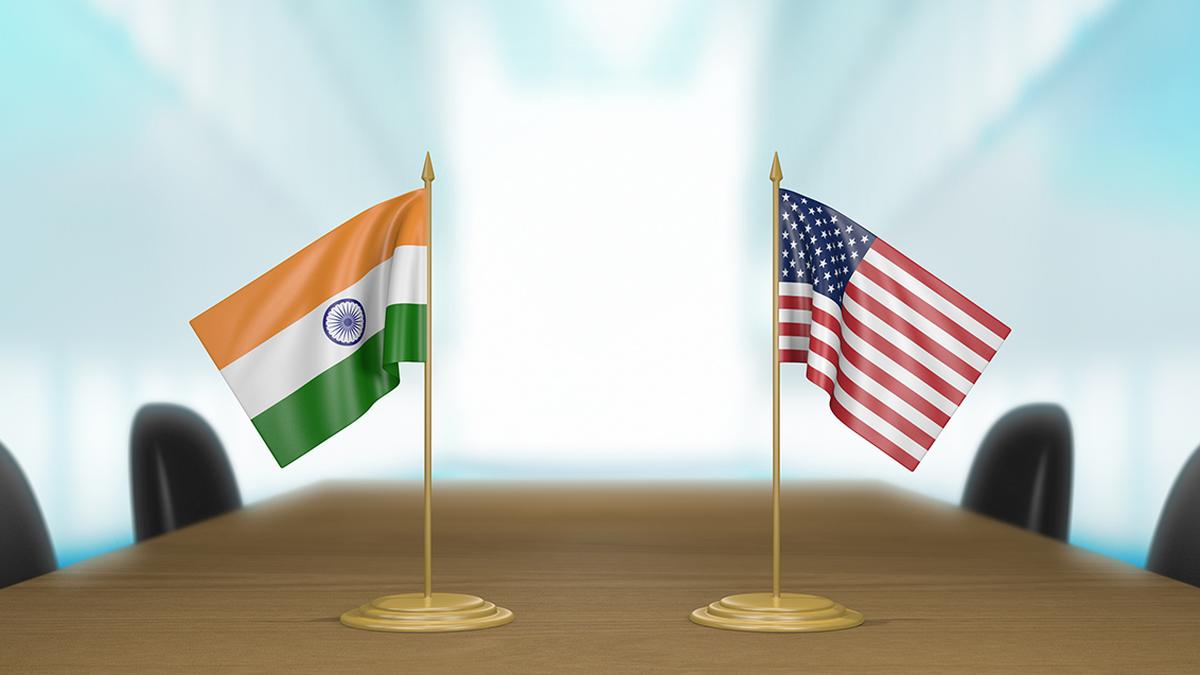
India is bracing for higher tariffs from the US as its trade pacts with Indonesia, Japan, the Philippines and Vietnam reveal that Washington is not sparing any country despite the concessions they offer, sources said.
Experts advise that India should not slash all tariffs, give market access for sensitive items, commit to large purchases, and give up control over its regulations in key areas because, as trade pacts already finalised by the US suggest, all these combined are no guarantee against imposition of tariffs.
“We already know the tariffs that are being imposed on some countries. By August 1, it would be clearer where India stands in terms of most of its competing countries. Once there is clarity, plans can be made on how to deal with the higher tariffs,” a source tracking the development told businessline.
Reciprocal tariffs
Indonesia has agreed to eliminate 99 per cent of its tariffs on US while Washington will impose a reciprocal tariff of 19 per cent on Indonesian goods, per US President Donald Trump.
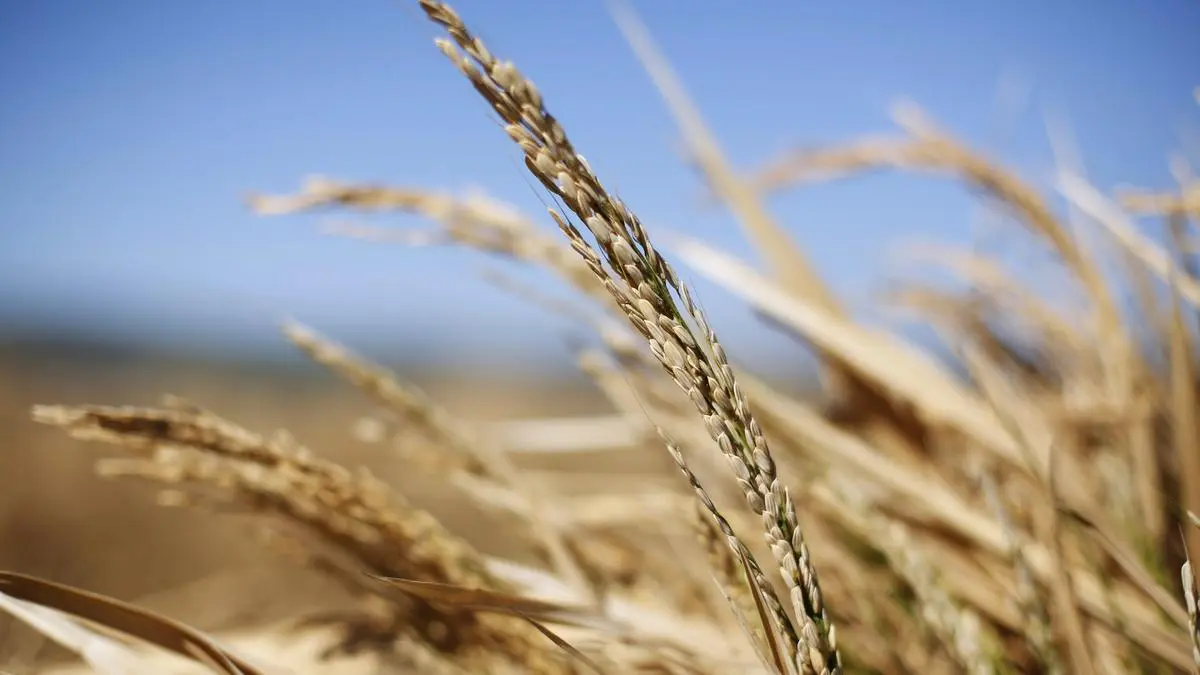
Japan will “open their country to trade including cars and trucks, rice and certain other agricultural products, and other things,” Trump announced on Tuesday. Japan would also invest $550 billion in the US and the U.S. would “receive 90 per cent of the profits”, Trump added.
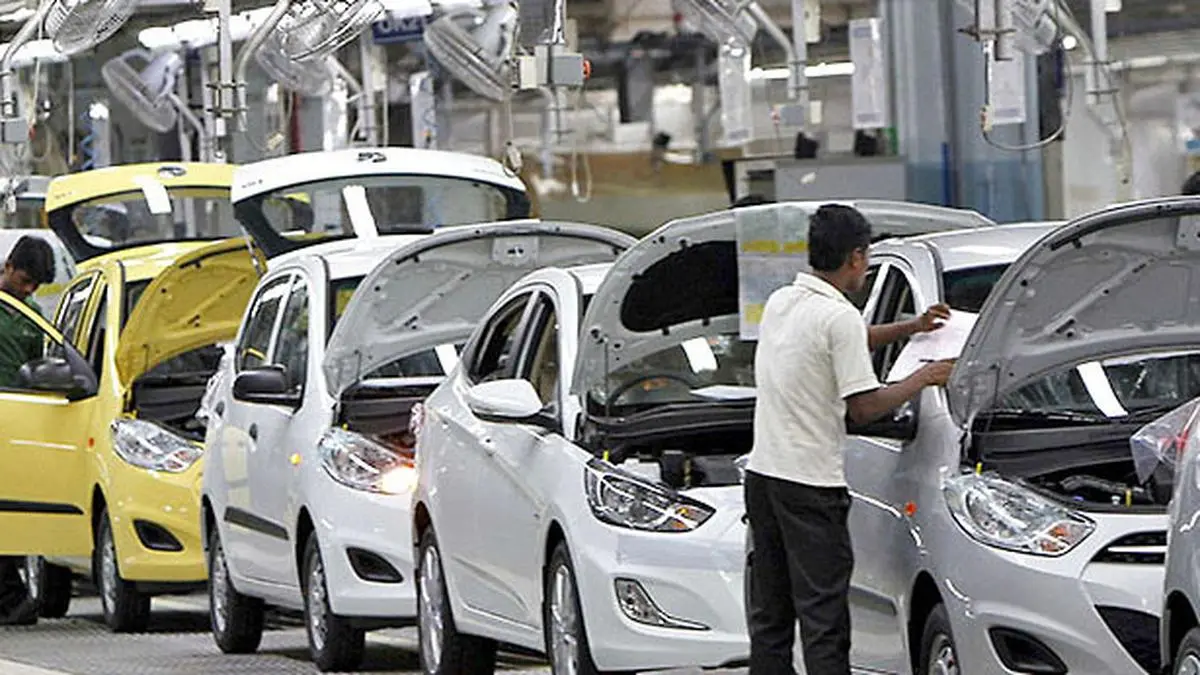
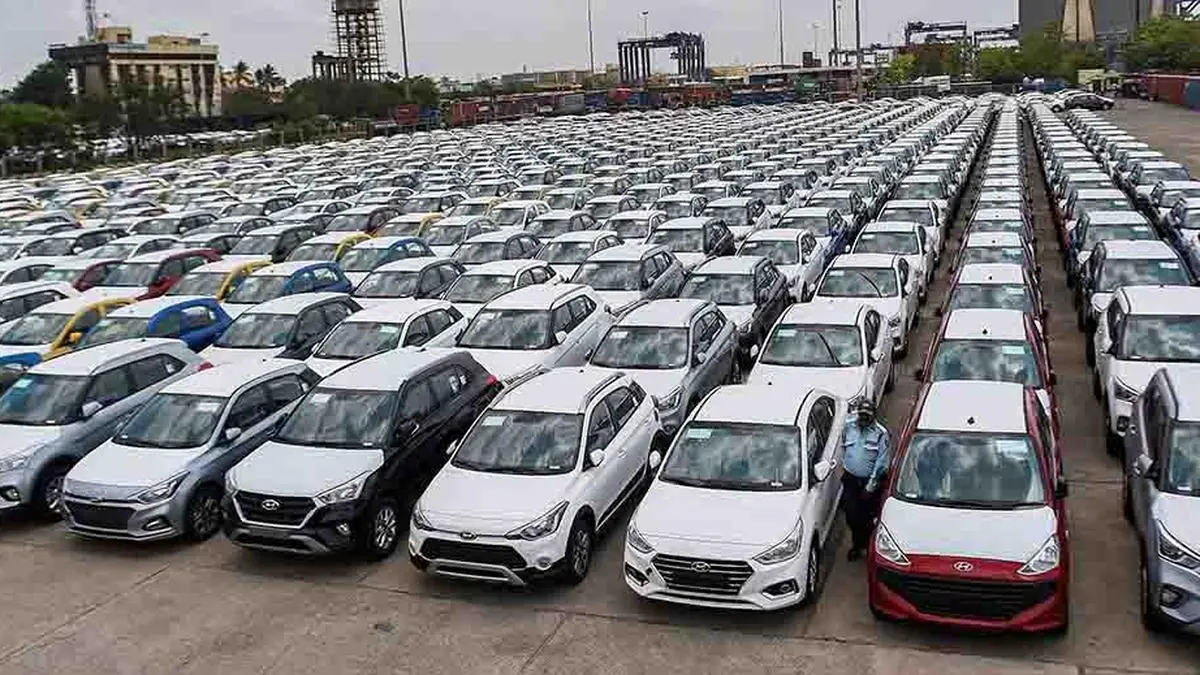
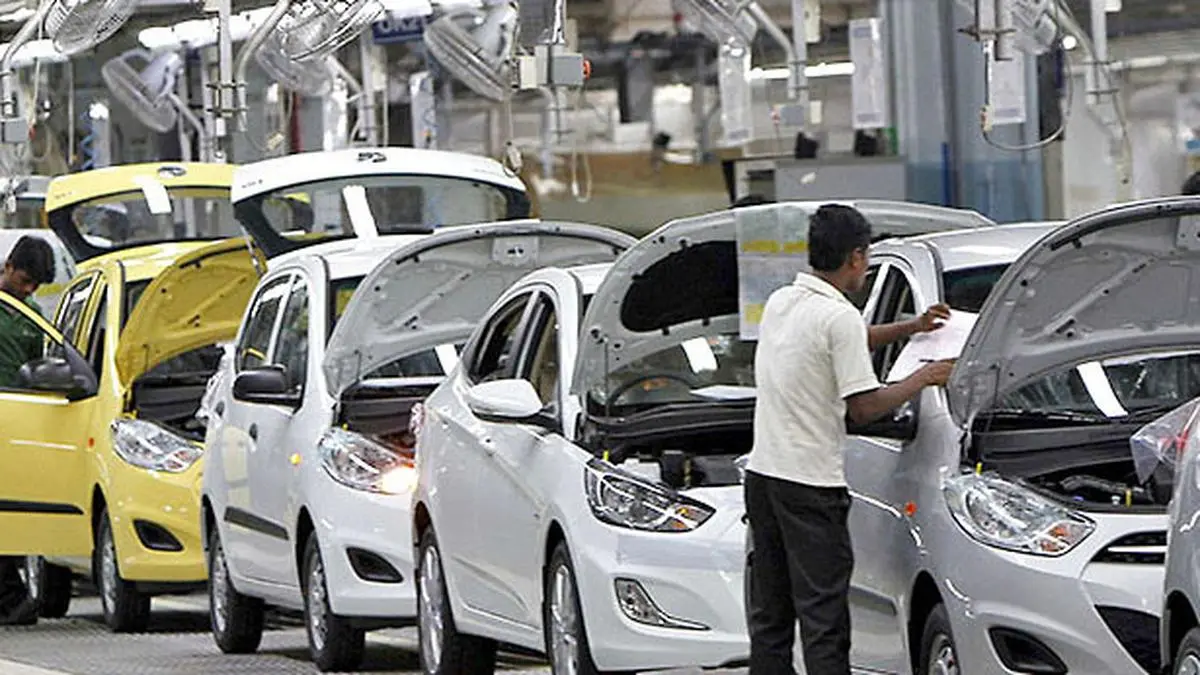
In return, the US would impose reciprocal tariffs of 15 per cent on Japanese products. This includes automobiles, on which the US earlier imposed sweeping tariffs of 25 per cent on most countries.
Trump also claimed that the Philippines, and earlier Vietnam, agreed to give tariff free access to US products while the US would impose reciprocal tariffs of 19 per cent and 20 per cent on the countries respectively.
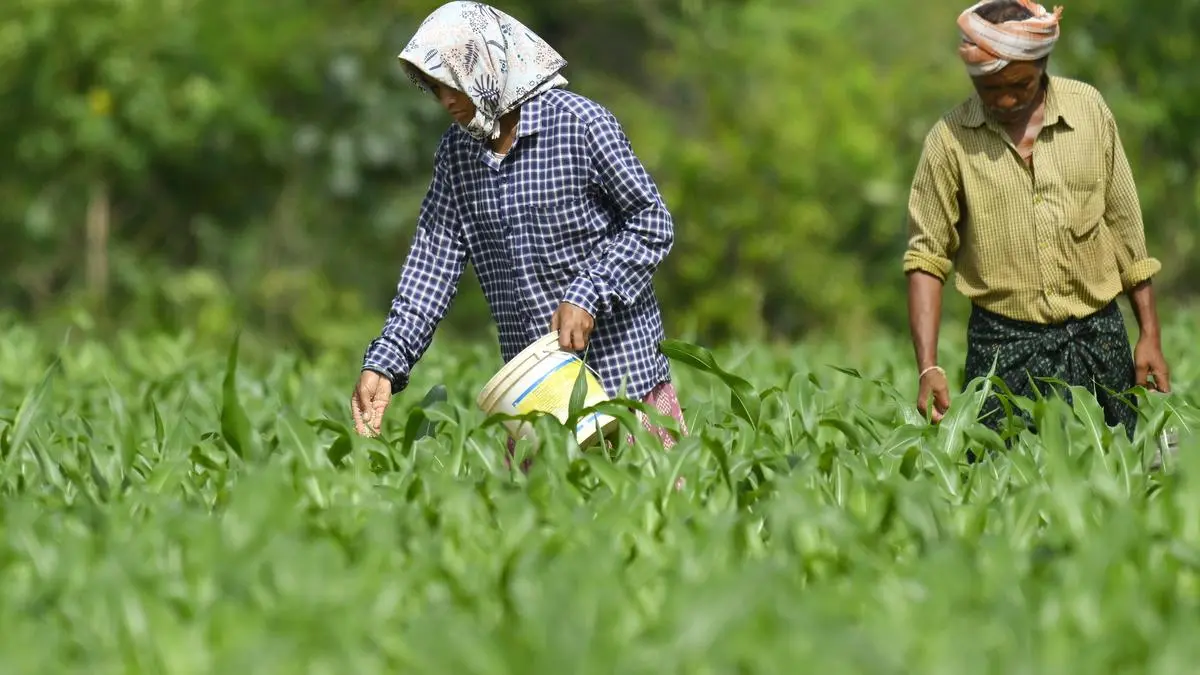
“The US-Indonesia trade deal forces Jakarta to give up key domestic regulations that have long protected its industries, food safety, and digital space…India now faces similar US demands, including allowing remanufactured goods, opening up agriculture and dairy, accepting genetically modified (GM) feed, and adopting US rules on digital trade and product standards,” pointed out Ajay Srivastava from the Global Trade Research Initiative (GTRI). India must stay alert and not give in, he cautioned.
The inclusion of rice in the July deal signals the decline of Japan’s powerful agricultural lobby which had historically resisted all attempts to liberalise rice imports, Srivastava added.
One-sided outcome
These are all one-sided outcomes, noted Abhijit Das, international trade expert.“India must continue with its firm stand on all key matters. It should keep issues of government procurement, IPRs and digital trade out of the agreement” he said.
Trump had announced reciprocal tariffs on April 2 for most trade partners with which the US had a trade deficit and then suspended them till July 9, except for a baseline tariff of 10 per cent. A reciprocal tariff of 26 per cent was announced on India’s exports to the US.
As most countries, including India, could not reach an interim deal with the US by July 9, Trump decided to push back the tariff deadline to August 1.
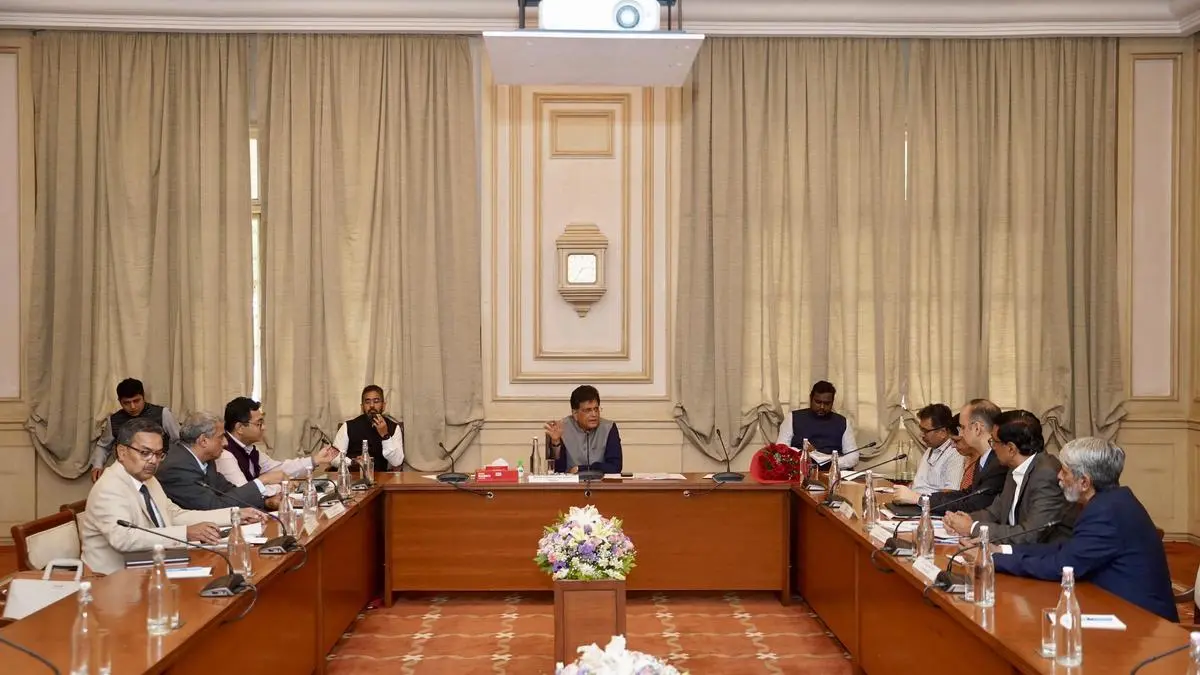
However, last week’s round of trade negotiations in Washington was also not able to result in a breakthrough as India has been finding it difficult to meet the US’ ambitious demands in most areas, including agriculture.
Published on July 23, 2025































































Leave a Reply