

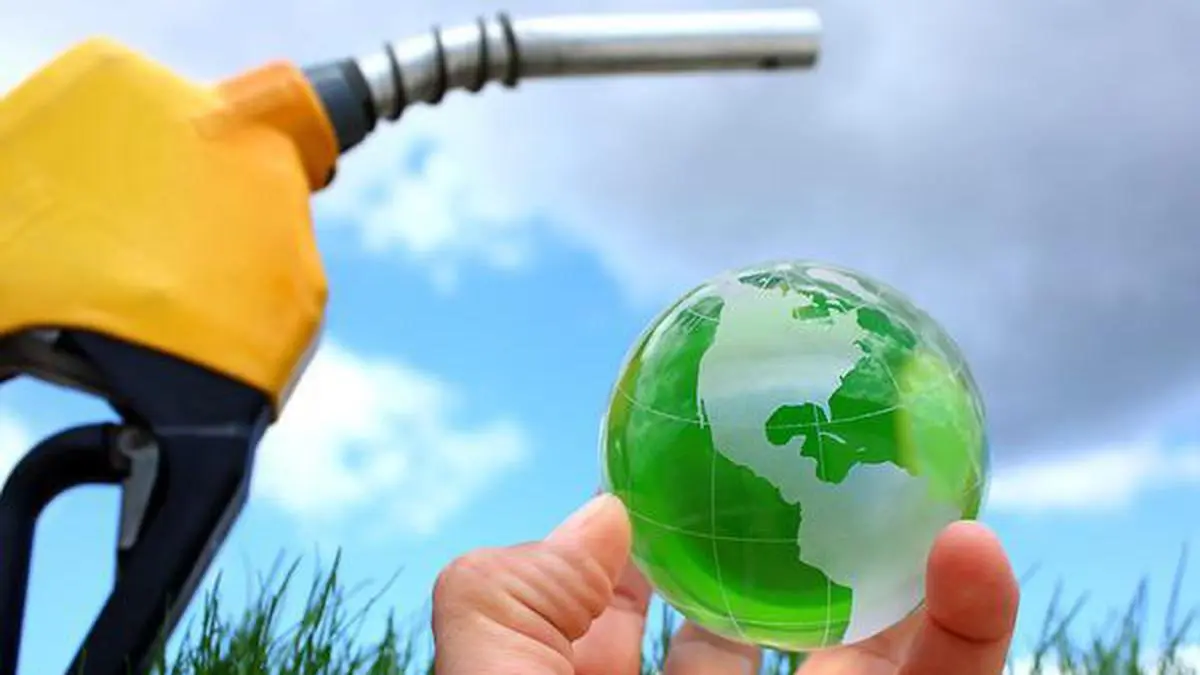
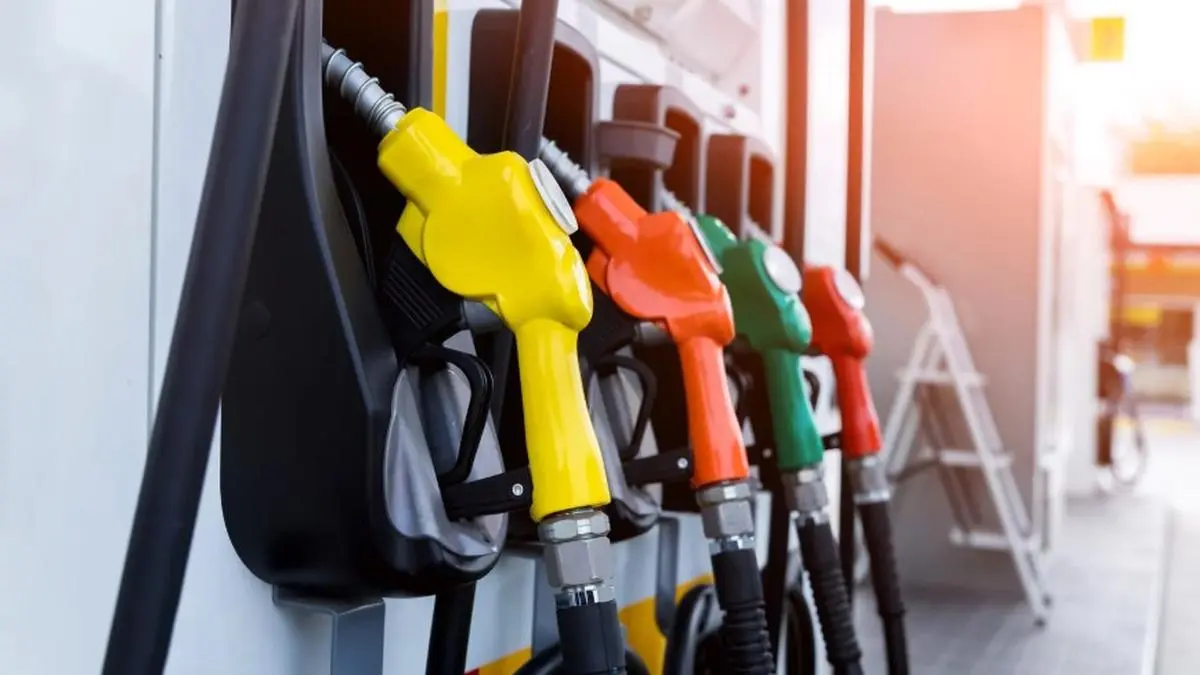
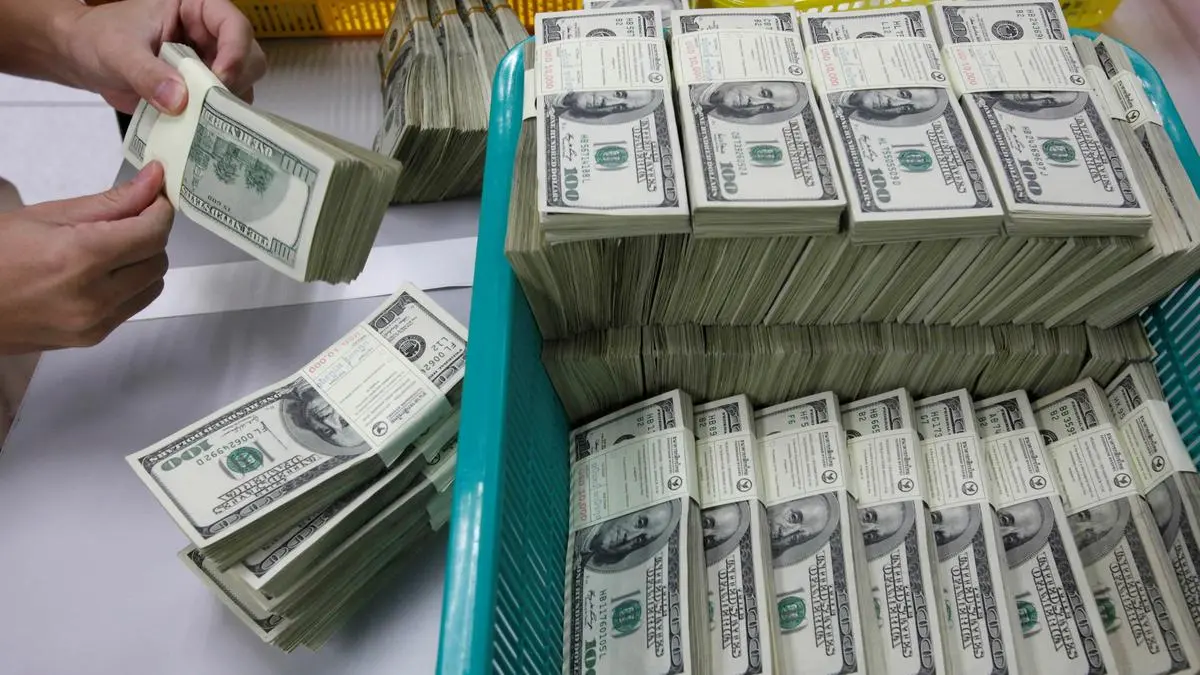
The Ministry of Petroleum & Natural Gas (MoPNG) said on Tuesday that the E20 (20 per cent ethanol-80 per cent petrol) fuel can help save foreign exchange worth around $4.9 billion in the current financial year, ending March 2026.
The Ministry came out with a detailed response over reactions by netizens on social media platforms about the ethanol blended petrol (EBP) programme. Several vehicle owners (especially 4-wheelers) complained on X about fuel efficiency and some damage to vehicle engines due to the E20 fuel.
The Ministry pointed out that during the last 11 years from Ethanol Supply Year (ESY) 2014-15 to ESY 2024-25 up to July 2025, ethanol blending in petrol by PSU Oil Marketing Companies (OMCs) resulted in savings of more than ₹1.44 lakh crore of foreign exchange, crude oil substitution of about 24.5 million tonnes (mt) and CO2 emission reduction of around 73.6 mt—equivalent of planting 30 crore trees.
Ethanol supply year is from November to October. “At 20 per cent blending, it is expected that payment to the farmers in this year alone (FY26) will be to the tune of Rs 40,000 crore and forex savings will be around ₹43,000 crore,” the Ministry anticipates.
High price
MoPNG noted that some concerns have been voiced that ethanol blended petrol should be cheaper than non blended fuel and that this cost advantage has not been passed on to the customers.
They are referring to a NITI Aayog report. In 2020-21, when the report of NITI Aayog was prepared, Ethanol was cheaper than Petrol. Over time, procurement prices of Ethanol have increased and now the weighted average price of Ethanol is higher than cost of refined Petrol.
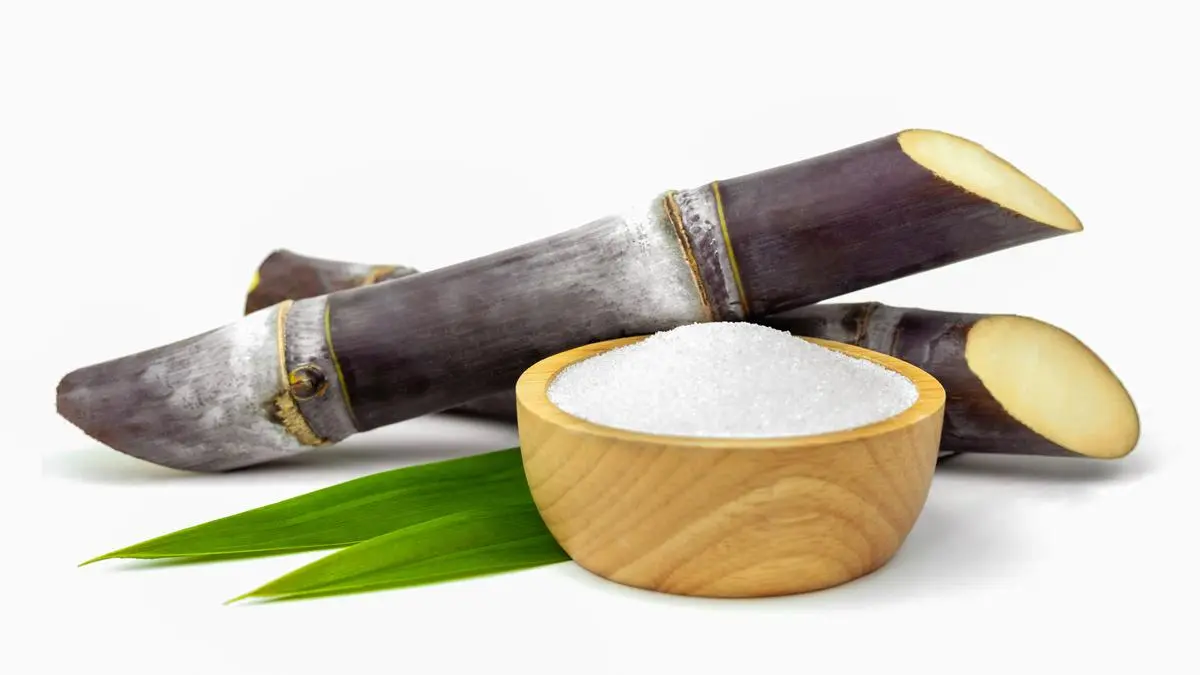
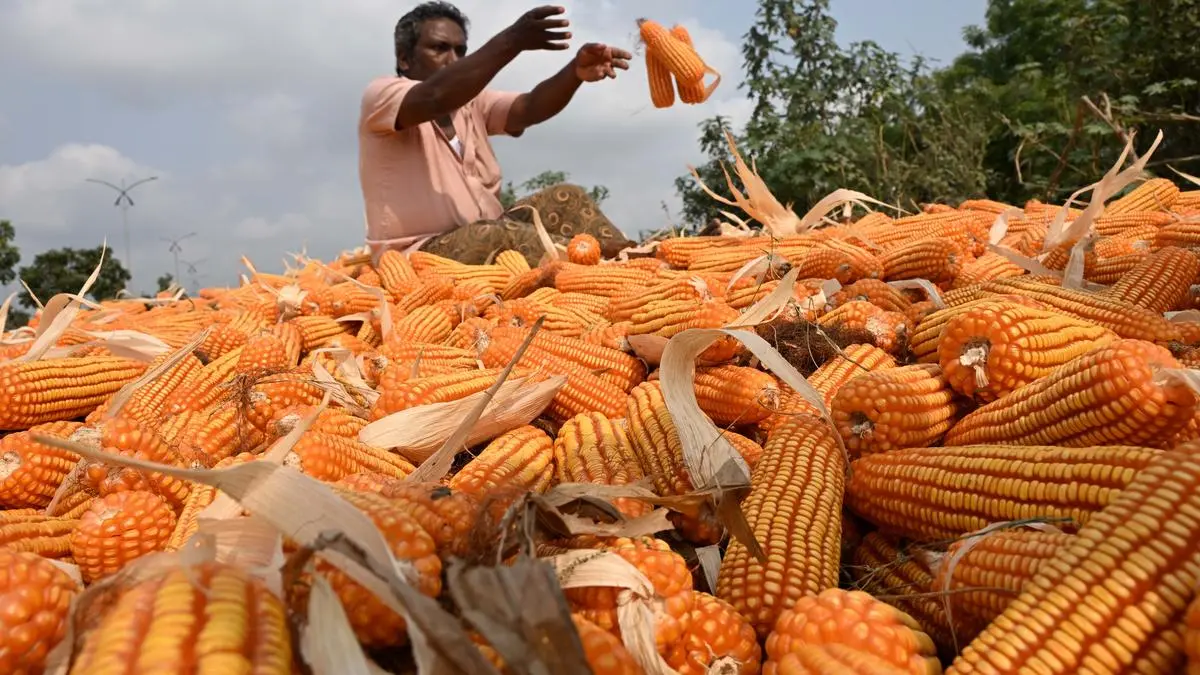
“Currently, the average procurement cost of Ethanol for ESY 2024-25, as on July 31, 2025, is ₹71.32 per litre, inclusive of transportation and GST. For producing E20, OMCs blend 20 per cent of this procured ethanol with petrol. Price of C-heavy molasses based Ethanol increased from ₹46.66 (ESY 2021-22) to ₹57.97 (ESY 2024-25). Price of Maize-based Ethanol increased from ₹52.92 to ₹71.86 over the same period,” it added.
Despite the increase in price of ethanol in comparison to petrol, the oil companies have not gone back on the ethanol blending mandate because the programme delivers on energy security, boosts farmers’ incomes and environmental sustainability.
Fuel efficiency
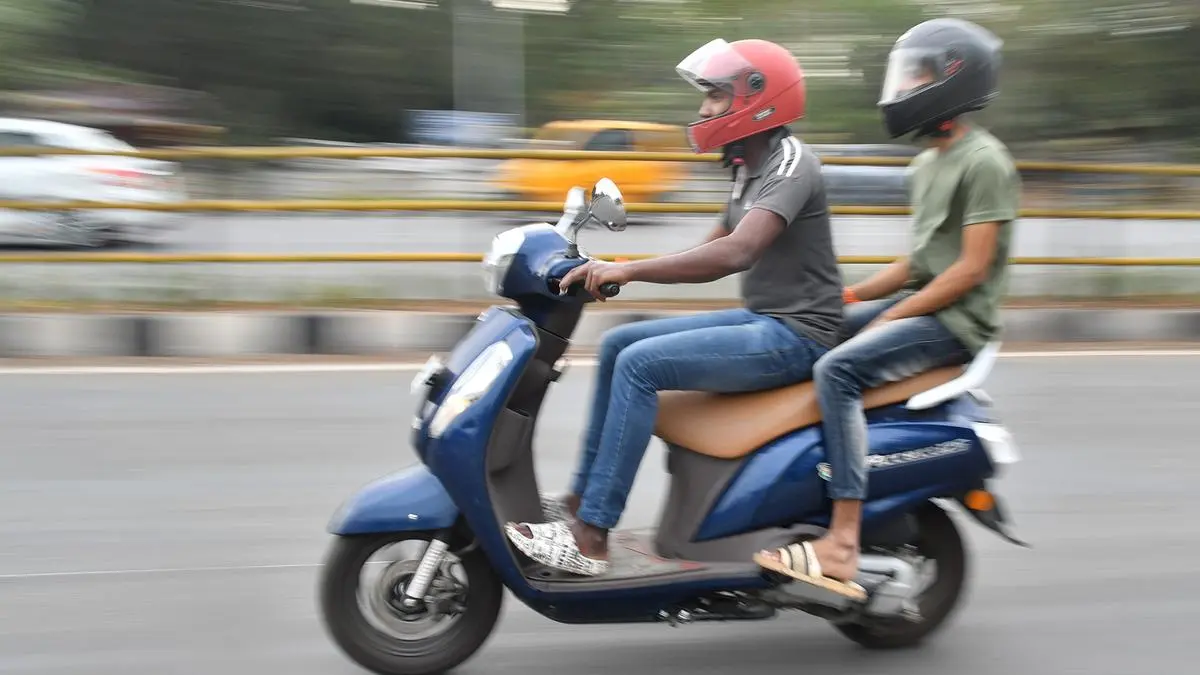
Countering claims of lower fuel efficiency, the Ministry pointed out that E-20 gives better acceleration, ride quality and lowers carbon emissions by around 30 per cent as compared to E10 fuel.
Ethanol’s higher-octane number (around 108.5 compared to petrol’s 84.4) makes ethanol-blended fuels a valuable alternative for higher-octane requirements that is crucial for modern high-compression engines. Vehicles tuned for E20 deliver better acceleration which is a very important factor in city driving conditions, it has emphasised.
“The critiques suggesting that E20 causes a ‘drastic’ reduction in fuel efficiency are misplaced. Vehicle mileage is influenced by a variety of factors beyond just fuel type. These include driving habits, maintenance practices such as oil changes and air filter cleanliness, tyre pressure and alignment, and even air conditioning load,” it stressed.
Bridge fuel
Biofuels and Natural Gas are India’s bridge fuels. They represent a viable, non-disruptive transition towards meeting India’s Nationally Determined Contribution (NDC), MoPNG pointed out.
A study on life cycle emissions of Ethanol done by NITI Aayog has said that GHG emissions in case of use of sugarcane and maize based Ethanol are less by 65 per cent and 50 per cent, respectively than those of petrol, it emphasised.
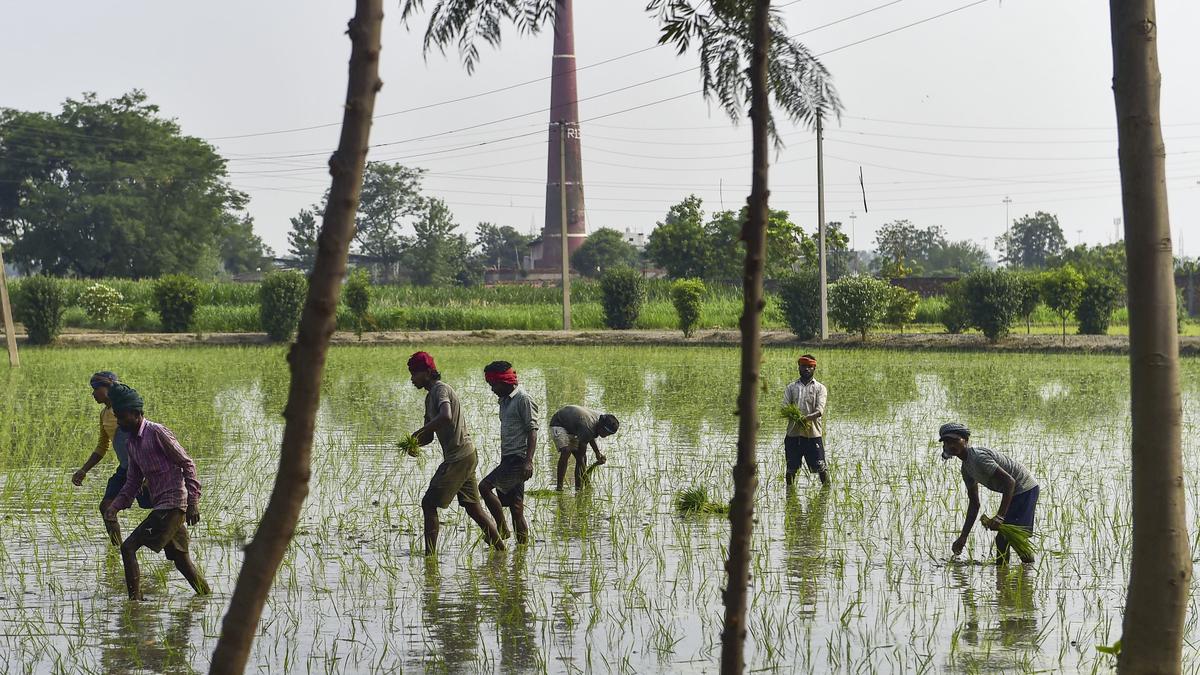
Besides, there have been transformative changes in terms of benefits to the rural economy, elimination of sugarcane arrears and improving the viability of maize cultivation in the country, MoPNG noted.
Previously Petrol was being sold in India with Research Octane Number (RON) of 88. Today, regular petrol in India has a RON of 91 to meet the requirements of BS-VI, which aims to reduce harmful emissions. However, this has again been improved further to RON 95 with blending of Ethanol 20, resulting in better anti knocking properties and performance, it added.
“The alternative of going back to E-10 Petrol would involve losing the hard fought gains on pollution and the success achieved in energy transition. The roadmap of the IMC had been in the public domain from 2021 and laid out a calibrated path to reaching E-20. Since then, there has been a period of over 4 years which has allowed vehicle technology to improve, supply chain to be calibrated and an overall eco-system developed,” MoPNG emphasised.
Published on August 12, 2025
























































































Leave a Reply