


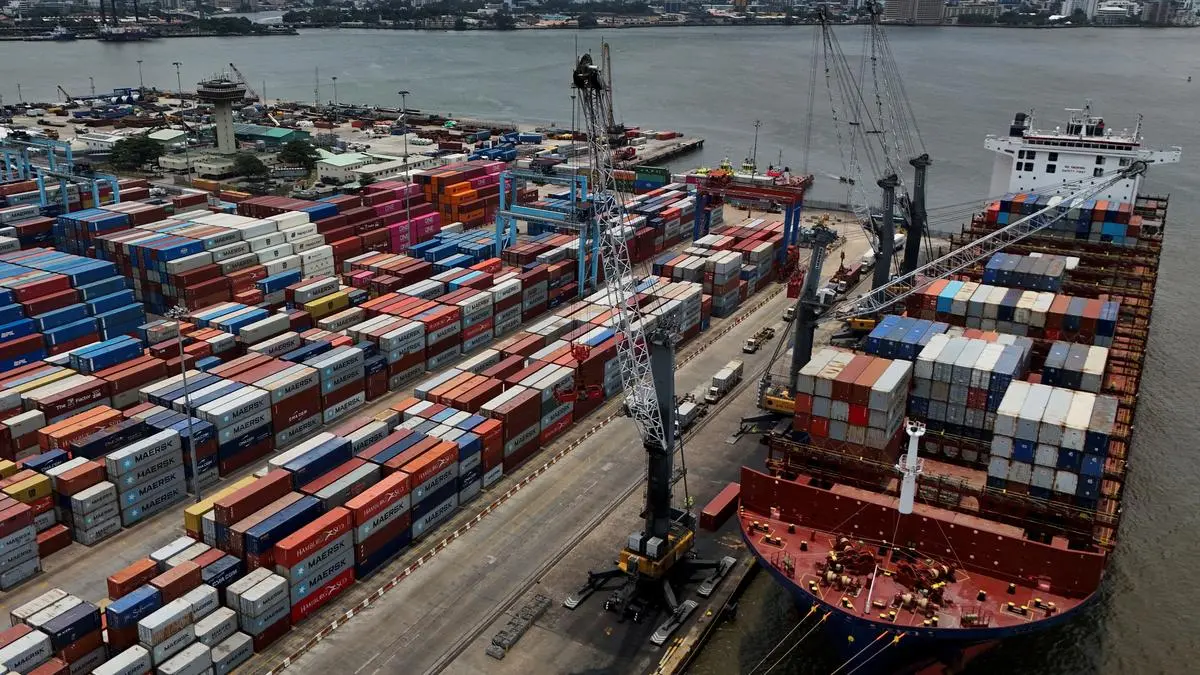
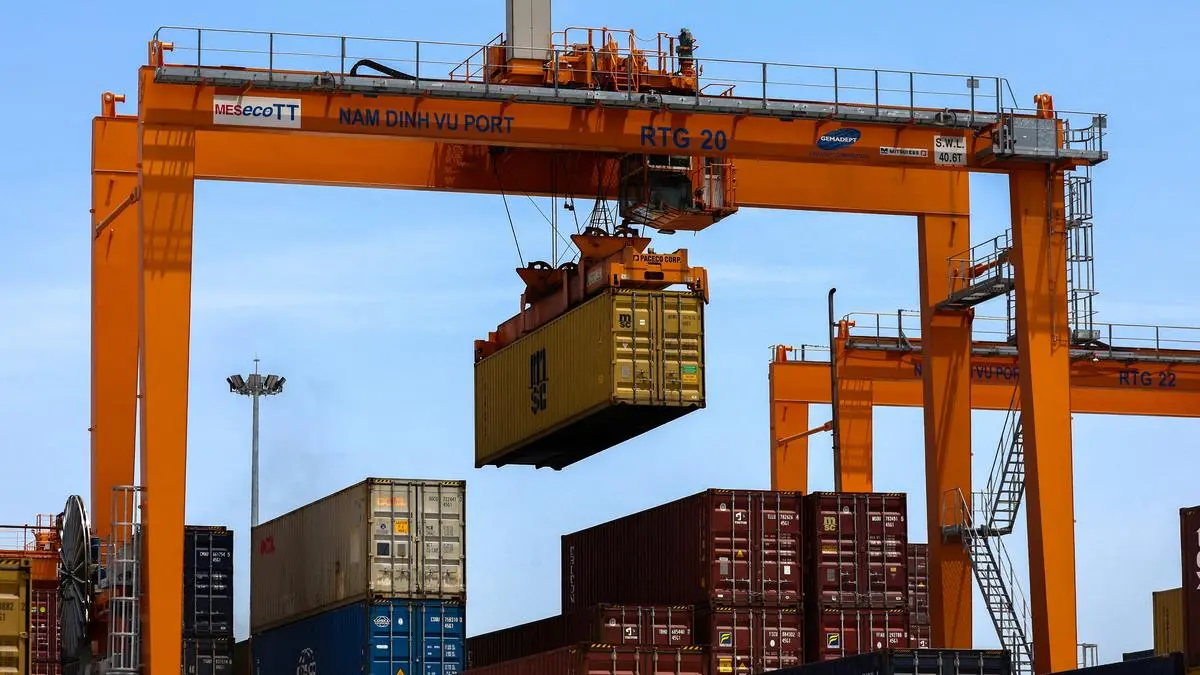
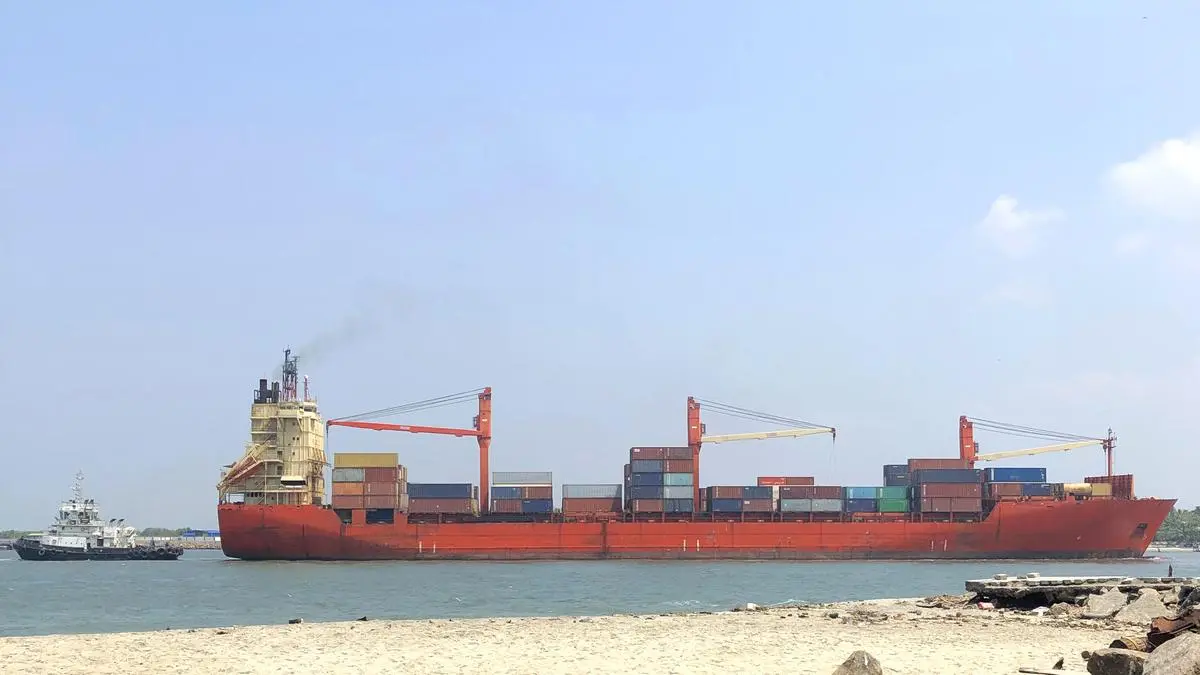
The Central Arecanut and Cocoa Marketing and Processing Cooperative (Campco) Ltd has exported 30 tonnes of arecanut to Maldives.
A Kishore Kumar Kodgi, Campco President, said Campco is making dedicated efforts to expand the arecanut market globally, ensuring a stable future for farmers despite several challenges.
“As part of its ambitious export initiative, Campco has successfully exported 30 tonnes of arecanut to the Maldives. Having already established a strong reputation for quality in the domestic market, Campco aims to introduce Indian arecanut to global markets while strengthening the Campco brand internationally,” he said.
He said the cooperative is exploring opportunities to export arecanut and its value-added products to many countries worldwide.
Diversion to China
To a query on the domestic market situation, Kodgi told businessline that old stocks of white arecanut are in good demand in the domestic market now. Asked about the reasons for this, he said countries such as Indonesia and Myanmar are now exporting a significant portion of the commodity to the Chinese market. Myanmar is still exporting the commodity to India also. The diversion of a significant portion of arecanut from these countries to China has helped improve the market condition in India.
Campco offered around ₹460 a kg for the old stocks of white arecanut on Saturday. The price was around ₹450 a kg during the corresponding period of the previous year, he said.
The price of new stocks of white arecanut has reached almost ₹420 a kg now, he said, adding almost the same rate prevailed last year also. The price of red variety of arecanut has reached almost ₹550 a kg now. The price was in the same range during this period of the previous year also, he said.
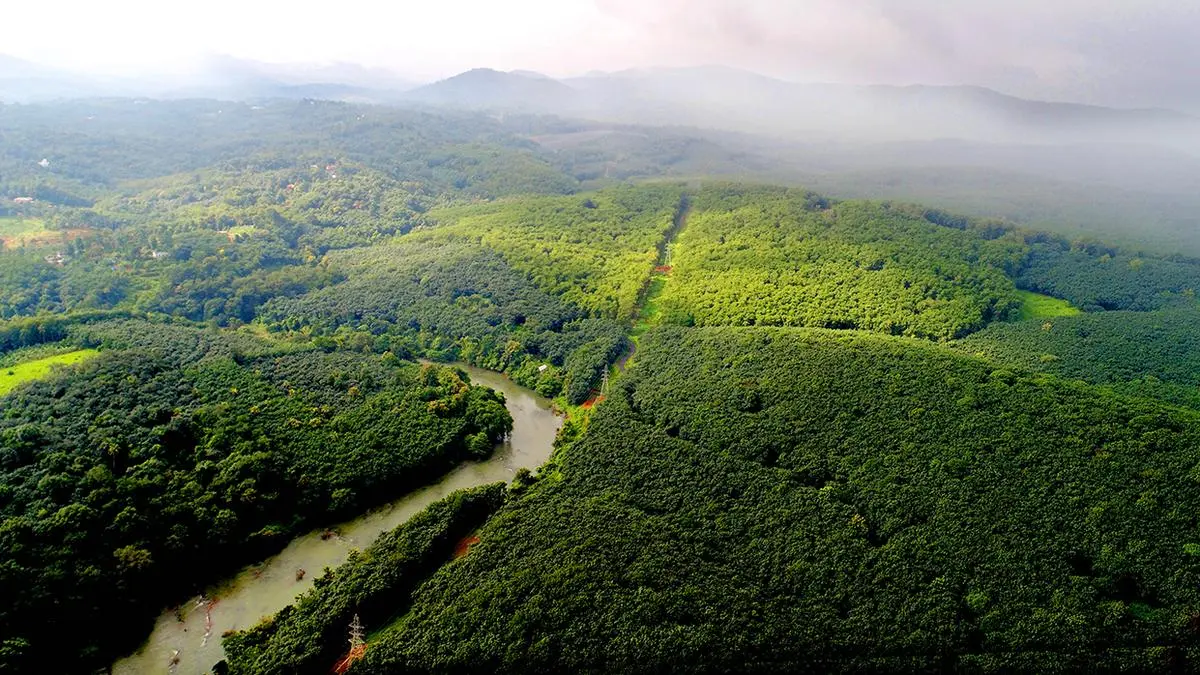
Referring to the impact of climate change on the production of the commodity, Kodgi said it has impacted the average yield in arecanut plantations. On an average, arecanut production has come down by 25-40 per cent in farmers’ plantations.
High temperature during the summer season of 2024 had led to the tender nut dropping in the plantations. This was one of the reasons for the decline in arecanut production, he said.


































































































































































Leave a Reply