

Piano Transcription Be Performed
A piano transcription is the process of converting a piece of music written for another instrument into something that can be played on a piano. While this may seem simple enough, the actual process is usually quite complicated and time consuming. Musicians spend a lot of time training their ears and practicing their transcription skills, and it can be incredibly difficult to make accurate transcriptions.
While the piano is the most common and popular instrument for a piece of music to be transcribed, there are other types of instruments that can also be used. For instance, some classical music pieces have been transcribed for violin or cello, and some even have been transcribed for voice. It is important to note, however, that a transcribing a piece of music for a different instrument will always result in a slightly altered version. This is due to the fact that a different instrument has its own unique characteristics and sound, and that can have a big impact on the way a piece of music is played.
One of the most common reasons for a piece of music to be arranged or transcribed is that the original piece of music was not originally written for the instrument or instrument in question. Often times, pianists will choose to perform certain compositions in their own style rather than the style it was originally written for. This practice is known as a “transcription,” and it is considered to be somewhat different from an arrangement, since arrangements tend to take more musical liberties with the original music than just a transcription.
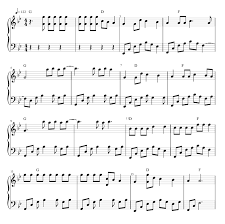
Can a Piano Transcription Be Performed on Different Types of Pianos?
A good piano transcription will require an in-depth knowledge of how the piano works, as well as a thorough understanding of the techniques and styles that the composer uses. Having a strong background in improvisation and other forms of contemporary music is also helpful, as it will help the pianist understand how to bring the nuances of the original piece to life on the keyboard.
There are four different levels of transcription: frame-level, note-level, stream-level, and notation-level. While the first two involve listening and writing down notes, the latter involves interpreting the musical ideas behind the piece and creating a formal written representation of those ideas. The highest level of transcription is often considered to be the most complex, as it requires an in-depth understanding of various musical symbols and techniques.
One of the biggest challenges when performing a piano transcription is dealing with shifts in tempo. These changes can have a huge impact on the perceived duration of notes, and it is important to account for these variations when transcribing a musical passage. This is why it is so important to always play back a piece of music several times before trying to transcribe it. This will help ensure that the resulting transcription is as accurate as possible. It is also a good idea to use a high-quality recording of the original music to aid in the transcription process, as this will give the musician a better understanding of how the composer intended the piece to be played.
































































































































































Leave a Reply